Mauritius: Discovering the Island's Seven Shades of Earth
"The Indian Ocean does not just meet the shore here; it collaborates with the earth to create a masterpiece of shifting colors."
Mauritius is far more than a simple white-sand destination; it is a geological marvel where volcanic history meets a spectrum of vibrant, earthy tones.
For travelers seeking depth beyond the typical poolside lounge, the island offers a layered landscape of emerald forests, rugged mountains, and coastal hues that change with the light.
Key Takeaways * The island provides immense geographical diversity, transitioning from turquoise coastlines to lush, mountainous interiors. * Its unique cultural tapestry of Creole, Indian, and Chinese heritages is mirrored in its multi-faceted natural beauty.
* Strategic planning is essential: choosing between the North-West, East, or South-West regions defines your entire travel experience. * The natural setting serves as a versatile backdrop, accommodating both high-octane adventure and quiet, luxury seclusion.
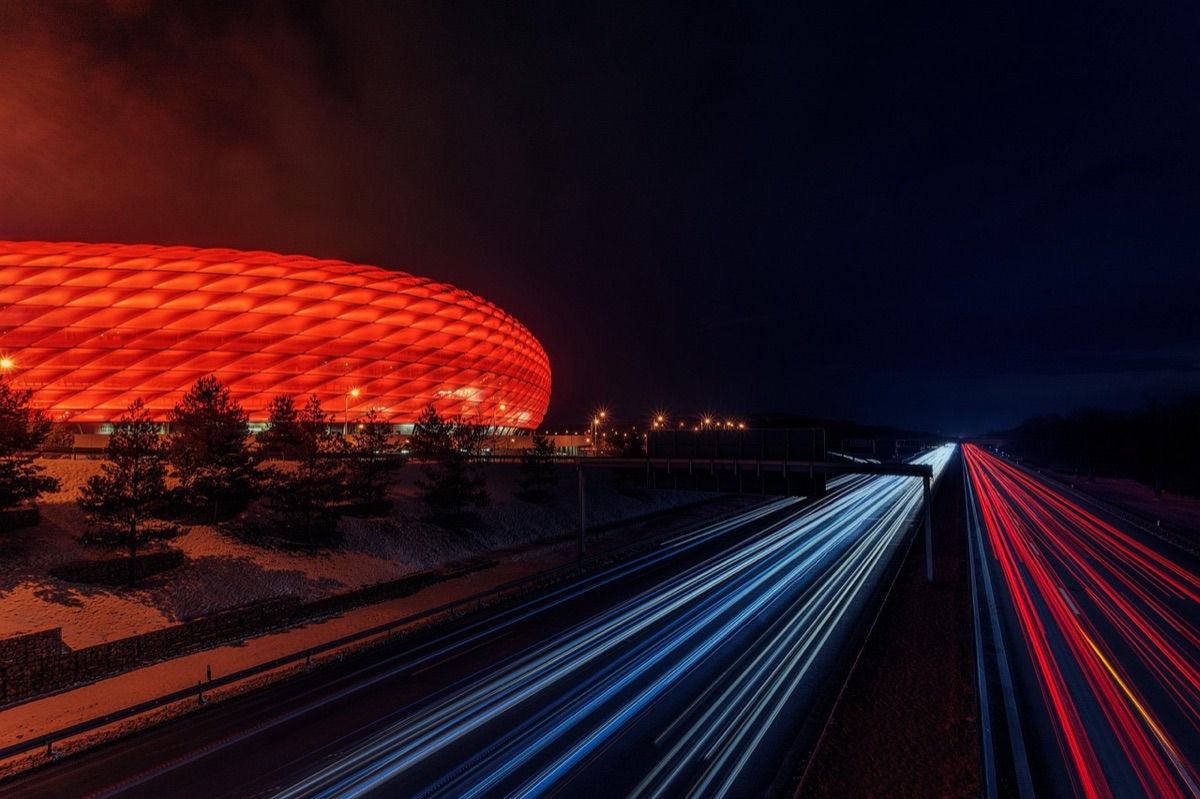
Why is Mauritius Called the "Island of Seven Shades"?
At high noon, the scorching sun hits the dark basalt rocks, sending a salty mist spraying against my skin.
The sun hit the basalt rocks of the coastline at midday, turning the spray into a mist of pure white against the deep blue. In that moment, the sheer variety of the terrain became undeniable. According to World Bank data, Mauritius recorded international tourist arrivals of 316,000 in 2020.
The nickname "seven shades" refers to the visual feast provided by the island's diverse geological makeup.
While many associate tropical islands solely with blue water, Mauritius offers a spectrum that includes volcanic blacks, earthy ochres, lush greens, and the famous multicolored sands of the interior.
This visual diversity is a direct result of its volcanic origins and the unique mineral compositions found in different regions.
The coastal diversity is striking. In the North-West, you find bustling bays and calmer waters, while the South-West offers a more dramatic, rugged interface between land and sea. In contrast, the interior provides a verdant, mountainous escape that feels worlds away from the salt air.
This transition from the bright, sun-drenched coast to the deep, shadowed forests of the highlands creates an activity spectrum that ranges from deep-sea diving to intensive mountain trekking.
This landscape has also shaped the soul of the island. The fertile soil, once dominated by vast sugarcane plantations, allowed for a unique intersection of cultures.
The land didn't just host people; it dictated how they lived, worked, and eventually blended into the vibrant Creole culture we see today.
But understanding the colors is only the beginning; you have to know how to move through them.
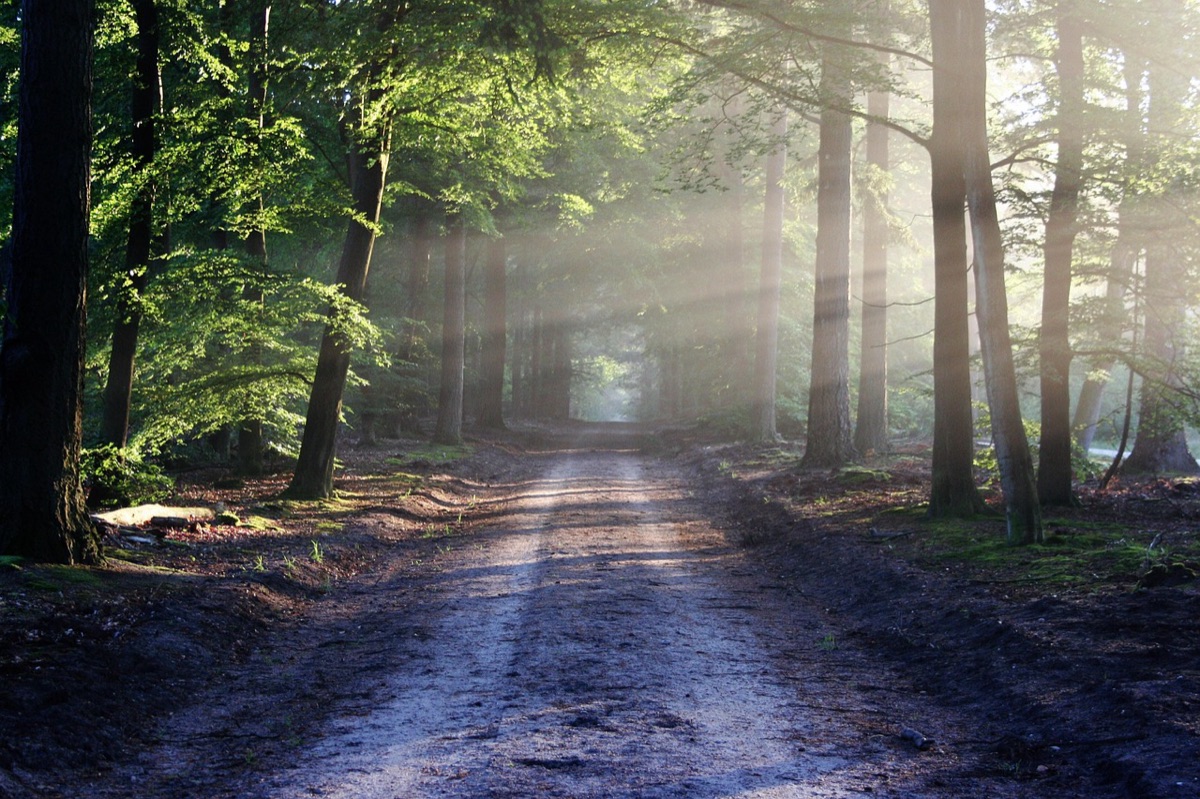
What lies beyond the beach? A small, white rental car hummed along a winding road, the scent of damp earth and tropical blooms wafting through the open window.
To understand the scale of this beauty, one must look at the geography. Mauritius is an island country in the Indian Ocean, located about 1,100 nautical miles (2,000 km; 1,300 mi) off the southeastern coast of Africa, east of Madagascar. The total land area of the country is 2,040 km2 (790 sq mi).
This compact size makes it easy to traverse, yet the density of its natural wonders is immense.
The biodiversity is a significant draw. The island’s history is etched into its soil, from the legacy of the extinct dodo to the vast sugarcane fields that once defined the economy. Today, the focus has shifted toward preserving these unique ecosystems.
In areas like Le Morne, the landscape rises sharply from the sea, creating a dramatic backdrop that is both a UNESCO World Heritage site and a symbol of the island's resilience.
While the marine life is world-class, the terrestrial beauty is equally compelling. The interior offers hiking trails through ancient forests and volcanic craters that provide a stark contrast to the coral reefs.
Whether you are exploring the underwater topography or trekking through the highlands, the transition between marine and terrestrial environments is seamless and breathtaking.
However, choosing where to sleep is where the real planning begins.
How can I design my perfect escape? We sat at a small cafe in Grand Baie, looking at a map spread across the table, trying to decide between the wind-swept east and the mountainous south.
Deciding where to base yourself is the most critical decision for any visitor. The island is generally divided into three distinct zones, each offering a different "vibe."
| Region | Atmosphere | Ideal Activities | Best For |
|---|---|---|---|
| North-West | Bustling, social, and convenient | Shopping, dining, water sports | First-timers & social travelers |
| East | Luxurious, secluded, and breezy | Beach lounging, catamaran tours | High-end honeymoons |
| South-West | Dramatic, natural, and adventurous | Trekking, photography, nature tours | Adventure seekers & nature lovers |
For those seeking a social atmosphere and easy access to amenities, the North-West (including areas like Grand Baie) is the logical choice. It is the hub of activity, perfect for those who want to mix beach time with vibrant dining and shopping.
If your goal is pure luxury and seclusion, the East coast is unparalleled. The wide, sweeping beaches and high-end resorts provide a sense of privacy that is hard to find elsewhere. This is the quintessential honeymoon destination.
For the adventurer, the South-West offers the most dramatic scenery. With rugged cliffs and more intense natural landscapes, this region is perfect for those who want to explore the "real" Mauritius through trekking and photography.
When planning your logistics, remember that you will be driving on the left side of the road, and while the distances are manageable, travel time between the North and the South can vary depending on the winding coastal roads.
But how do you actually structure your time once you arrive?
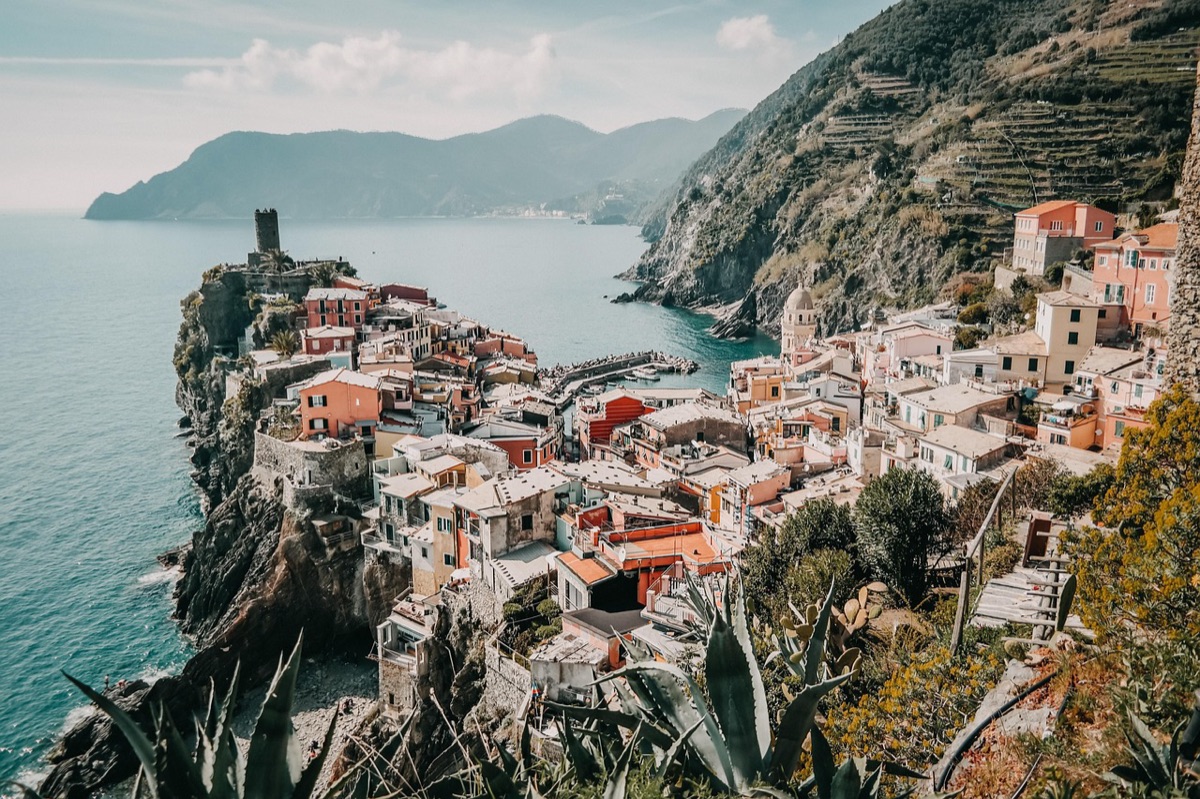
A Symphony of Senses: Experiences Woven into the Land
The smell of spicy curry and fresh coconut milk drifted from a roadside stall, mixing with the salty breeze of the Indian Ocean.
The natural beauty of Mauritius is not just a visual experience; it is a sensory one. The island’s multiculturalism—a blend of Indian, Creole, Chinese, and African influences—is most tangibly felt through its culinary scene.
A meal in Mauritius is a journey through its history, where spices from the East meet the fresh seafood of the Indian Ocean.
To truly immerse yourself, you must engage with the land through high-end activities.
A private catamaran tour allows you to see the coastline from a perspective that land-dwellers can only dream of, while a helicopter tour provides a bird's-eye view of the famous "underwater waterfall" illusion and the dramatic volcanic topography.
The pace of your travel should match your intent. A 7-day itinerary might focus on one or two regions to allow for deep relaxation, whereas a 10-day trip allows you to split your stay—perhaps spending a week in the North-West for activity and a few days in the South-West for a dramatic finish.
When I tried to squeeze too many locations into a single day in 2025, I quickly learned that the winding roads require a slower, more intentional pace.
To make the most of your trip, follow this essential planning checklist:
- Select your primary base: Choose one region for relaxation (East) and one for exploration (North-West or South-West) to minimize driving.
- Book seasonal activities in advance: High-demand tours, like catamaran trips to Île aux Cerfs, should be secured at least two weeks prior.
- ly.
- Prepare for microclimates: Pack light tropical clothing for the coast, but always include a light jacket for the cooler, mistier highlands.
- Arrange local transport: Rent a car for flexibility, but verify your insurance covers all coastal routes.
- Plan your culinary stops: Do not just eat at resorts; set aside time for local markets and roadside "dholl puri" stands.

Comments 0