11.1% GDP: Mauritius's Vital Financial Sector Role
"Mauritius: Beyond the Sun-Kissed Shores—The Quiet Engine Driving its Modern Economy through Financial Services."
While the turquoise waters of the Indian Ocean often steal the spotlight, a sophisticated engine of capital and regulation hums beneath the surface of this island nation.
For investors and economists, the true story of Mauritius lies in its transition from a sugar-based economy to a global financial hub.
* The financial and insurance sector accounted for 11.1% of the national GDP in 2018. * The nation serves as a strategic gateway for international capital flows within the Indian Ocean. * A dual-pillar economy balances high-visibility tourism with a robust, regulated financial services industry.

How Vital is Mauritius's Financial Sector to the National Economy?
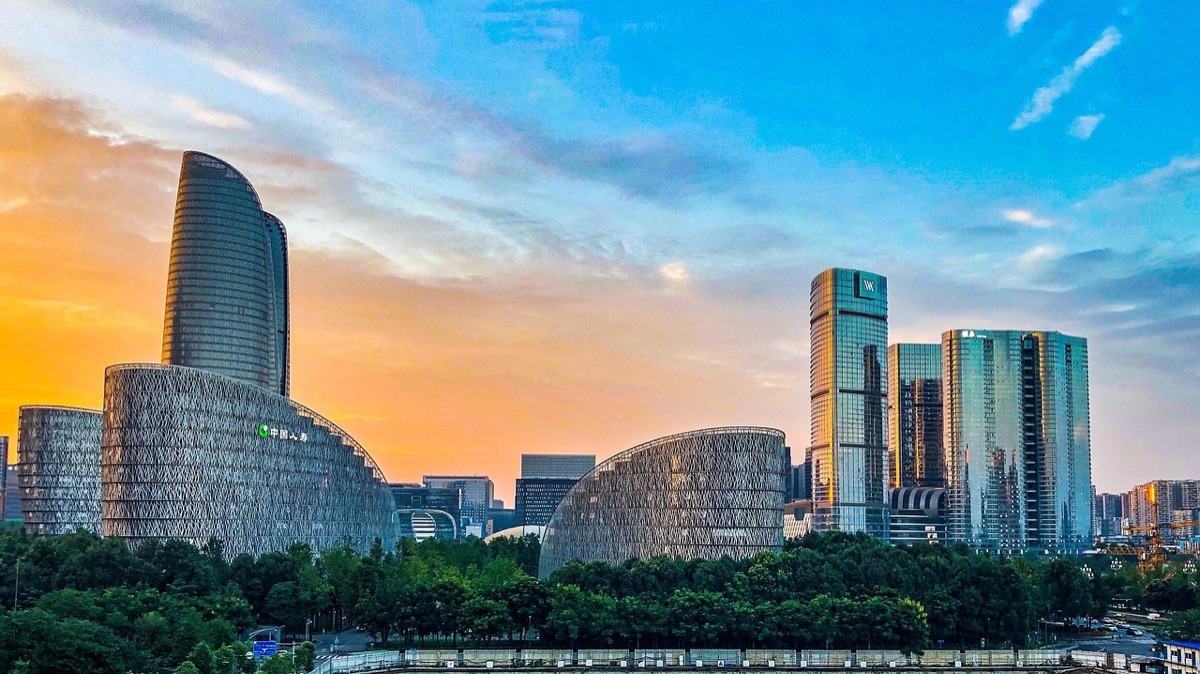
A quiet office in Ebene, the country's high-tech business district, hums with the sound of international transactions far removed from the crashing waves of Flic en Flac. In these professional spaces, the nation's economic backbone is forged through complex regulatory frameworks and global trade.
According to World Bank data, Mauritius recorded GDP growth of 3.2% in 2025.
The importance of this sector is clearly visible in the national accounts. According to the Financial Services Commission, financial and insurance activities contributed to 11.1% of the country's GDP in 2018.
This figure represents a significant portion of the domestic economy, highlighting how much the nation relies on sophisticated service sectors rather than just traditional agriculture.
Beyond simple domestic contribution, the sector acts as a vital gateway for international capital.
By providing a stable regulatory environment, Mauritius facilitates the flow of investment between various global markets, particularly those looking to tap into the growing economies of Africa and Asia.
The presence of the Financial Services Commission ensures that this growth is managed within a structured framework, providing the oversight necessary to maintain international credibility.
What is the geographic and economic context of Mauritius? A pilot flying over the Indian Ocean looks down at a small, vibrant speck of land that seems almost too tiny to hold such immense economic weight. The vast blue expanse stretches in every direction, separating the island from the distant shores of the African continent.
To understand the scale of this nation, one must look at its placement. Mauritius is an island country in the Indian Ocean, located about 1,100 nautical miles (2,000 km; 1,300 mi) off the southeastern coast of Africa, east of Madagascar.
While the land area is relatively compact, the nation manages a significant maritime domain that extends far beyond its shores.
The economic history of the island is a tale of transformation. For decades, the landscape was defined by vast sugar plantations that shaped the social and economic fabric of the country.
However, as the global economy shifted, the nation leveraged its strategic location to pivot from a sugar-centric model to a diversified service-based economy. This transition has been essential in building the modern, resilient state seen today.
How does the investment climate attract global capital? An investor sits in a boardroom, reviewing spreadsheets that show a steady upward trajectory of growth and stability. They are looking for more than just a beautiful location; they are looking for a secure place to park capital.
The investment climate in Mauritius is built on a foundation of political stability and ease of doing business. It has successfully positioned itself as a hub that attracts global capital looking for a secure entry point into emerging markets.
This attractiveness is often measured by the diversity of the markets it serves and the strength of its legal protections.
To put the scale of the economy in perspective, we can look at the tourism sector, which often operates alongside the financial sector. In 2018, the number of tourist arrivals increased by 4.3% to attain 1,399,408 compared to 1,341,860 for the year 2017.
While tourism provides a massive influx of immediate revenue, the financial sector provides the long-term structural stability that allows the country to weather global shifts.
The ability to manage both a massive visitor influx and a sophisticated financial hub is a testament to the country's administrative strength.
The Interplay Between Tourism and Finance (The Dual Economy)
A traveler walks through a vibrant local market, breathing in the scent of spices and hearing the rhythmic sounds of Sega music. At the same time, just a few miles away, a banker manages a multi-million dollar portfolio.
The Mauritian economy operates on two distinct but complementary tracks. On one hand, there is the highly visible tourism industry, which relies on the island's natural beauty and hospitality. On the other, there is the more discreet but equally vital financial and insurance sector.
Both are essential for maintaining a balanced national budget and providing employment across different skill levels.
The scale of the service industry is often illustrated by the sheer volume of visitors. In 2018, the performance of the main markets accounted for 71% of total tourist arrivals. This high level of engagement shows how much the country relies on international presence.
This diversity is mirrored in the culture itself; the blend of Creole, Indian, and Chinese influences creates a unique social fabric that supports a multi-faceted economy.
This cultural diversity is not just a social asset but a driver of the international outlook that makes the country a successful crossroads for trade.
Navigating the Mauritian Landscape
A local resident navigates a winding road through lush, green hills, passing through a landscape that feels both wild and carefully tended. The air is humid, and the sound of tropical birds fills the space between the trees.
The physical landscape of Mauritius is as diverse as its economy. From the volcanic peaks to the coastal plains, the geography offers a unique setting for both tourism and maritime activities.
The country's vast Exclusive Economic Zone (EEZ) plays a crucial role in its economic identity, providing resources and strategic importance that extend far into the ocean.
The cultural landscape is equally rich. The country's multi-lingual environment—with various influences from French, English, and local Creole—makes it an easy transition point for international business travelers.
This linguistic flexibility, combined with a unique biodiversity and a deep-rooted history, creates a setting where global business and local tradition coexist.
| Economic Pillar | Primary Driver | Key Characteristic |
|---|---|---|
| Financial Sector | Capital Flows & Insurance | High regulatory oversight & strategic gateway |
| Tourism Sector | International Arrivals | High visibility & seasonal revenue |
#




Comments 0