Mauritius: African Gateway with 11.1% GDP Contribution
"Geography is often destiny, but in the Indian Ocean, it is a strategic masterpiece."
Mauritius has transformed from a remote island into a sophisticated global gateway, balancing a thriving tourism industry with a powerhouse financial services sector.
By leveraging its unique position between Africa and Asia, the nation has built a stable, high-growth economy that attracts both luxury travelers and international investors.
* Strategic Gateway: Located 1,100 nautical miles off the African coast, it serves as a vital link between continents. * Economic Diversification: A robust financial sector complements a massive, high-end tourism industry. * Cultural Strength: A multicultural heritage provides the linguistic and social fluidity necessary for global business. * Resilient Growth: Despite global shifts, the nation maintains steady GDP growth and a stable regulatory environment.
What lies at this oceanic crossroads? The sun rises over the turquoise waters of the Indian Ocean, hitting the coastline of an island that feels both isolated and central to the world.
Standing on a pier in Port Louis at 6:30 AM, you can see the vast expanse of the ocean stretching toward the horizon, a reminder of the maritime territory that defines this nation.
Mauritius is officially the Republic of Mauritius, an island country situated approximately 1,100 nautical miles (2,000 km; 1,300 mi) off the southeastern coast of Africa, east of Madagascar. While the land itself spans 2,040 square kilometers, its maritime influence is significantly larger.
The country's Exclusive Economic Zone (EEZ) covers approximately 580,000 square nautical miles, providing a massive footprint for maritime and economic activities.
Because of its coordinates—positioned between latitudes 19°58.8'S and 20°31.7'S and longitudes 57°18.0'E and 57°46.5'E—the island acts as a natural waypoint. It is not just a destination; it is a geopolitical nexus that bridges the gap between the African continent and the growing markets of Asia.
This unique positioning allows it to function as a stable, accessible entry point for international capital looking to enter the African market.
The transition from a maritime outpost to a global hub is a testament to how a nation can turn geography into a competitive advantage. But how did a small island move from sugar cane to high finance?
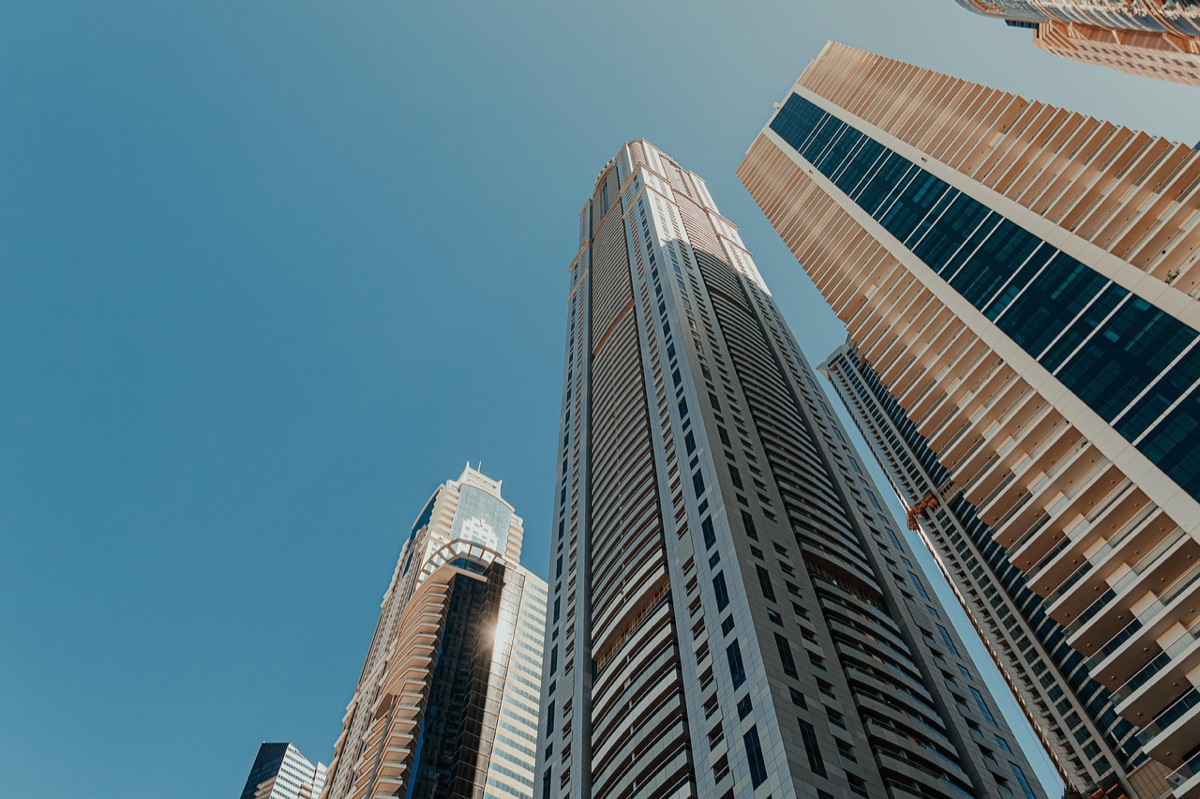
Is financial services the economy's engine? In a sleek, glass-walled office in Ebene, a professional reviews a series of cross-border transaction reports as the sound of the ocean hums faintly in the background.
The transition from sugar cane fields to high-tech financial hubs has been one of the most significant shifts in the nation's recent history.
The financial services industry is a cornerstone of the national economy. According to the Financial Services Commission, financial and insurance activities contributed to 11.1% of the country's GDP in 2018.
This sector provides the regulatory framework and the professional expertise required to manage large-scale international investments.
The nation's economic trajectory remains positive. For instance, according to World Bank data, Mauritius recorded GDP growth of 3.2% in 2025. This growth is supported by a sophisticated regulatory environment that offers stability to international firms.
Investors are drawn to the country because it facilitates complex cross-border transactions with ease, acting as a secure intermediary for capital moving into various African markets.
While the financial sector provides the structural strength, the tourism industry provides the visible, vibrant energy of the island.
Beyond the Beach: The Scale of Tourism
A group of travelers walks through a lush, tropical garden, their eyes wide as they take in the vibrant colors of the local flora. For many, the island is synonymous with paradise, but the sheer scale of the tourism industry suggests a much more complex economic engine.
The tourism sector has historically been a massive driver of wealth and employment. In 2018, the country saw a significant influx of visitors, with the number of tourist arrivals reaching 1,399,408. This represented a 4.3% increase compared to the 1,341,860 arrivals recorded in 2017.
However, the industry also faced global challenges; for example, according to World Bank data, Mauritius recorded international tourist arrivals of 316,000 in 2020.
The market is highly concentrated and efficient. In 2018, the performance of the main markets accounted for 71% of total tourist arrivals. This concentration shows a highly targeted approach to attracting specific traveler demographics.
While some might compare the island to the Seychelles, Mauritius offers a different kind of value—a blend of luxury, business infrastructure, and diverse ecosystems that appeal to both honeymooners and high-level business travelers alike.
The diversity of the visitor profile ensures that the economy is not reliant on a single type of traveler, creating a more resilient economic base. But what is the secret ingredient that holds these two worlds together?
The DNA of Success: A Multicultural Foundation
In a bustling local market, the scents of curry, vanilla, and fresh seafood mingle in the air as people from various backgrounds interact seamlessly. It is a place where you can hear French, English, and Creole spoken in a single conversation, reflecting a deep-rooted social harmony.
The success of Mauritius is deeply tied to its multicultural identity. The population is a unique blend of Creole, Indian, and Chinese influences, creating a social fabric that is both diverse and unified.
This cultural tapestry is visible in everything from the rhythmic beats of Sega music to the unique local cuisine that blends various culinary traditions.
This diversity is a hidden asset in the business world. The ability to navigate multiple languages and cultural nuances—specifically the presence of French, German, and English-speaking communities—allows the nation to interface effectively with various global markets.
This "business fluidity" is a direct result of a population that is accustomed to international perspectives. When I sat in a café in Grand Baie last year, I watched a business meeting transition from English to French without a single moment of hesitation; it was a masterclass in global readiness.
The cultural richness of the island doesn't just make it a beautiful place to visit; it makes it a functional place to do business.
Navigating the Island Ecosystem
A traveler stands at a crossroads on a winding road, looking out over a landscape that changes from rugged volcanic mountains to soft, sandy shores within a single glance. To understand the country, one must understand its varied terrain.
The geography of the island offers a wide range of experiences, which is essential for both tourism and various local industries. From the mountainous regions to the coastal expanses, the landscape is as varied as its economy.
| Feature | Description | Economic/Tourism Impact |
|---|---|---|
| Land Area | 2,040 square kilometers | Supports diverse ecosystems and local agriculture. |
| Maritime Territory | 580,000 sq nautical miles | Provides vast opportunities for blue economy and fishing. |
| Climate | Tropical maritime | Supports year-round tourism and luxury resorts. |
| Infrastructure | Highly developed | Facilitates both high-end tourism and financial logistics. |
The island's layout allows for a clear separation of activities. While the north and west coasts often host bustling tourism hubs, the east offers premium luxury, and the south provides more rugged, natural beauty.
This spatial diversity allows the country to host various sectors—from high-density tourism to specialized maritime activities—without constant conflict between land use.
Understanding these geographical nuances is the first step to navigating the complexities of the island's growth.
How to Experience the Best of Mauritius
If you are planning a visit that balances business and leisure, follow this structured approach to maximize your time on the island.
- Focus on the Economic Hub: Spend your first two days in Ebene or Port Louis to understand the professional pulse and regulatory environment of the island.
- 2.s. Transition to the Coast: Move to the north (Grand Baie) for vibrant social scenes or the east (Belle Mare) for high-end, secluded luxury.
- Engage with the Culture: Spend an evening at a local market or a cultural center to experience the fusion of Creole and Indian traditions through food and music.
- Explore the Natural Diversity: Dedicate a day to the Black River Gorges National Park to see the volcanic origins of the island.
- Final Reflection: Use your last day to visit the coastal areas to appreciate the vastness of the Exclusive Economic Zone you have been learning about.

Comments 0