Mauritius: From Sugarcane to Global Hub in 50+ Years
"Success is not found in a single harvest, but in the ability to cultivate a thousand different fields."
The transition of Mauritius from a single-crop economy to a sophisticated global hub is a masterclass in strategic foresight. By moving beyond the limitations of sugar cane, the nation has built a resilient, high-income economy through careful diversification into finance and high-end tourism.
* Strategic Pivot: Moving away from sugar monoculture was essential to prevent economic collapse during market fluctuations. * Diversification: Leveraging natural beauty and cultural heritage created high-yield sectors in tourism and international finance. * Modern Stability: Robust infrastructure and a focus on sustainability support a growing, high-income economy.

How Did Mauritius Navigate its Early Post-Colonial Challenges?
A single sunrise over a vast, green field of sugarcane once defined the entire economic horizon of the island. In those early decades, the rhythm of life was dictated by the harvest, and the wealth of the nation was tied almost exclusively to the price of sugar on the global market.
The early economic structure was defined by a deep, systemic reliance on cash crops. For much of the 20th century, the economy functioned through rigid structures, such as the legacy of the 1919 Syndicate, which centered much of the island's wealth around sugar production.
This monoculture meant that any shift in global demand or a single bad weather season could threaten the entire nation's stability.
Following independence in 1968, leaders faced a daunting reality: a small land mass of approximately 2,040 square kilometers meant there was no room for error. The vulnerability of a single-crop economy was too great to ignore.
Policy decisions shifted toward diversifying the economy to include manufacturing and services, ensuring that the nation was no longer at the mercy of a single commodity.
This transition required a fundamental reimagining of what the island could offer the world. It wasn't just about growing crops; it was about growing an economy.
But how did a small island turn its natural beauty into a professional powerhouse?
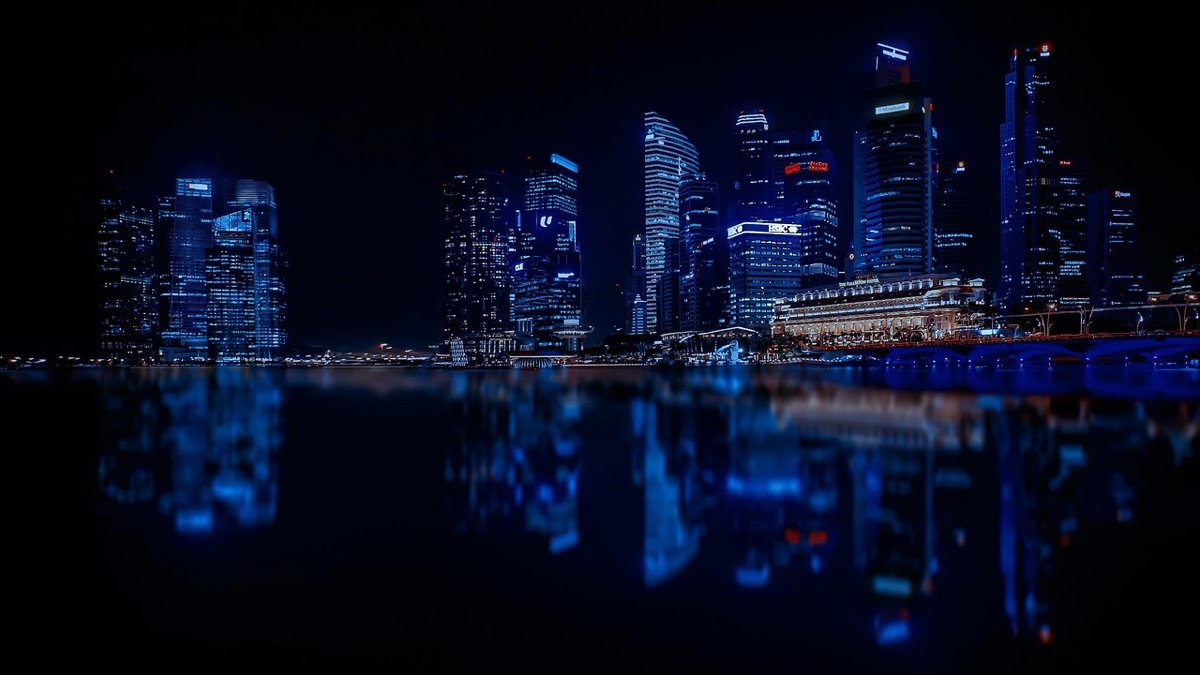
How did tourism become our main economic engine? A traveler stepping off a plane in the late 20th century might have seen a quiet, agricultural outpost, but the visionaries saw a tropical paradise waiting to be discovered.
The transition from a farming society to a global destination required turning natural assets into a professional service industry.
The unique selling points of the island—the "Seven-Colored Land" of Chamarel, the vibrant marine biodiversity, and a deep, multi-ethnic culture—became the foundation of a new economic pillar. By marketing these assets, Mauritius moved from a niche destination to a major player in the Indian Ocean.
The scale of this success is evident in the historical growth of visitor numbers. For instance, data from Statsmauritius.gov.org shows that in 2018, the number of tourist arrivals increased by 4.3%, reaching 1,399,408 compared to 1,341,860 in 2017.
This steady upward trajectory demonstrates how the tourism sector became a reliable engine for job creation and foreign exchange.
Located roughly 1,100 nautical miles off the coast of Southeast Africa, the island utilized its geographic position to become a prime destination for travelers from Europe and beyond.
The shift required careful market segmentation, catering to everyone from honeymooners seeking privacy to families looking for adventure.
However, building a tourism empire was only the first step in a much larger plan.
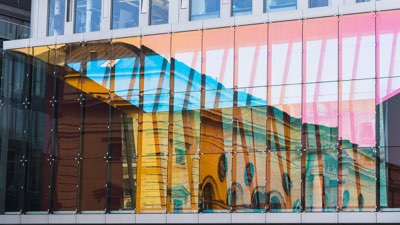
What drives our prosperity beyond just the beaches? Walking through the business district of Port Louis, the sounds of the bustling harbor mix with the quiet hum of high-rise office buildings. The transition from the fields to the financial sector is palpable in the professional atmosphere of the capital.
The successful move into high-value services, particularly in finance and specialized professional services, has provided a level of stability that agriculture never could. This sectoral shift allowed the economy to grow even when tourism faced global headwinds.
Modern economic health is reflected in tangible metrics. According to World Bank data, Mauritius recorded GDP growth of 3.2% in 2025. Alongside this growth, the economy has managed to keep inflation in check, with the World Bank reporting inflation (consumer prices) of 3.7% in 2025.
These figures represent a stable environment that attracts both foreign investment and high-spending visitors.
Sustainability is also becoming a core pillar of prosperity. The government hasppled to cut emissions by 40% by 2030 compared to projected levels without intervention, with a goal of reaching net zero by 2070.
This forward-thinking governance ensures that the very environment that drives tourism is protected for future generations.
But how does a visitor actually navigate this diverse economy on the ground?
The Visitor Experience: Curating the Perfect Mauritian Narrative
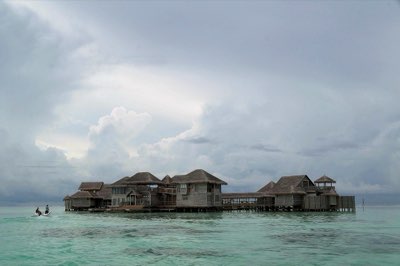
A guest arriving at a luxury resort in the East finds a different world than one arriving in the rugged South-West. The diversity of the coastline allows for a wide spectrum of experiences, making the island a versatile destination for different traveler profiles.
To understand how the economy supports various visitor needs, one must look at the geographic distribution of the hospitality industry:
| Region | Primary Vibe | Best For |
|---|---|---|
| North-West (Grand Baie/Trou aux Biches) | Vibrant, social, and bustling | Nightlife, shopping, and easy access |
| East Coast (Belle Mare/Flacq) | High-end luxury and pristine beaches | Honeymooners and premium resorts |
| South-West (Le Morne/Chamarel) | Dramatic landscapes and nature | Adventure, hiking, and unique scenery |
The ability to offer everything from high-end luxury villas to eco-friendly trekking tours is a direct result of the successful economic diversification. By developing different regions for different purposes, the country maximizes its land use and prevents over-saturation in a single area.
This variety ensures that the economy remains resilient. When one segment of the market fluctuates, others—such as the growing interest in eco-tourism or business travel—can provide stability.
But how do you plan a trip that captures all these layers?
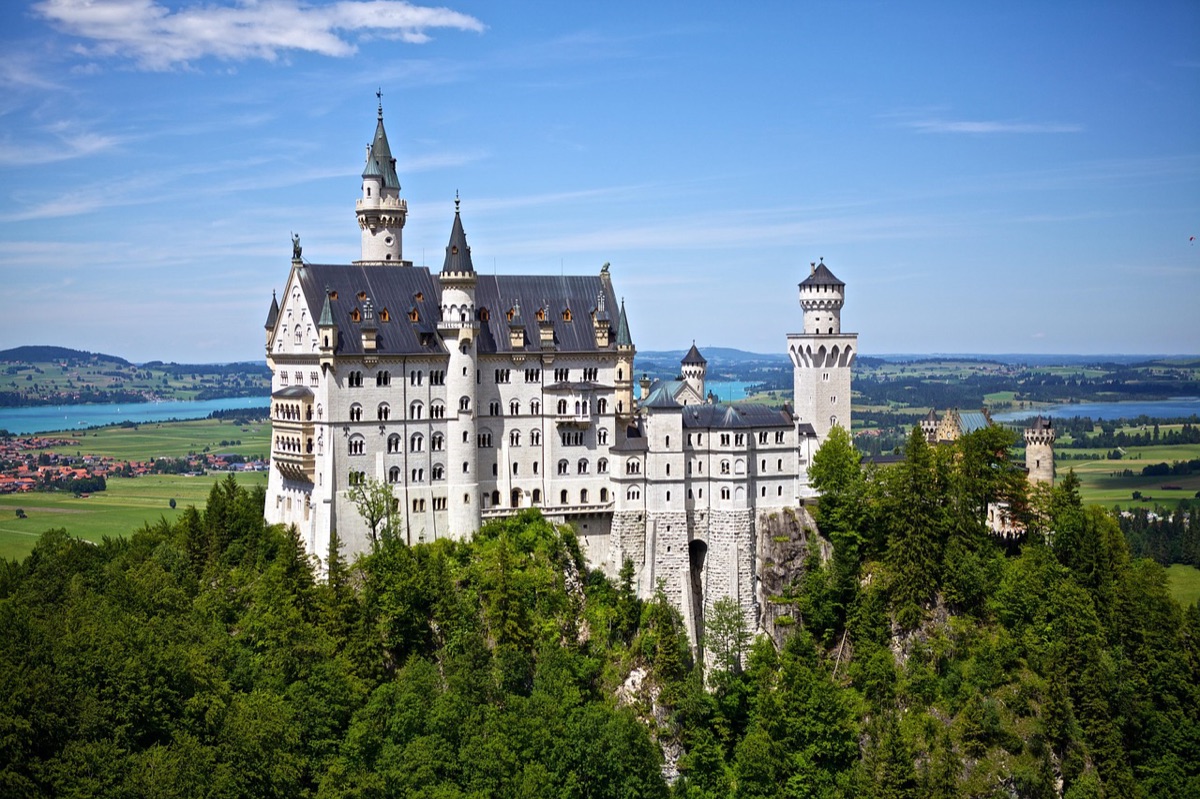
How to Experience the Economic Evolution in One Trip
If you want to see how the transition from agriculture to high-finance and luxury tourism actually looks in practice, follow this itinerary:
- Start in Port Louis: Spend your first morning in the capital to witness the financial heart of the island. Visit the central markets to see the lingering influence of the old trading economy.
- Head to the North-West: Travel to Grand Baie for an afternoon of shopping and coastal dining. This represents the successful shift toward a service-based, social economy.
- Transition to the East Coast: Spend two nights in a luxury resort in Belle Mare. This illustrates the high-end, premium tourism sector that provides significant foreign exchange.
- 4.son End in the South-West: Visit Le Morne and Chamarel. This provides a look at how the nation preserves its natural heritage through eco-tourism and adventure.
This structured approach allows you to see the different facets of a successful, diversified economy in a single week.
When I first walked through the markets in Port Louis, I was struck by how the scent of spices and fresh fish hit you just as hard as the sight of modern glass office towers. It is a place where the old ways and the new ways don't just coexist; they fuel each other.
The variety ensures that the economy remains resilient. When one segment of the market fluctuates, others—such as the growing interest in eco-tourism or business travel—can provide stability.

Comments 0