Mauritius Travel Timing: Dry vs. Wet Season Deep Dive
"The sun doesn't just shine in Mauritius; it follows a rhythm that dictates whether you'll be sipping cocktails on a calm lagoon or battling gusts on a catamaran."
Choosing the right time to visit Mauritius is the difference between a seamless luxury honeymoon and a rain-soaked logistical headache. To get it right, you must look beyond simple "sunny vs. rainy" labels and understand how the island's unique geography interacts with seasonal winds.
Key Takeaways
* High Season (Dry/Sunny): Best for guaranteed sunshine and clear waters, but expect premium pricing and higher tourist density. * Low Season (Wet/Shoulder): Offers the best value and privacy, though you must prepare for intermittent rain and wind. * Wind & Coastline Dynamics: Your choice of coast (East vs. West) is often more important than the month you choose. * Activity Matching: Match your itinerary—whether it's diving or trekking—to the specific seasonal wind patterns.
When is the best time to visit Mauritius? The morning sun warmed the breakfast terrace in Grand Baie as I sipped hot coffee and watched the turquoise water shimmer.
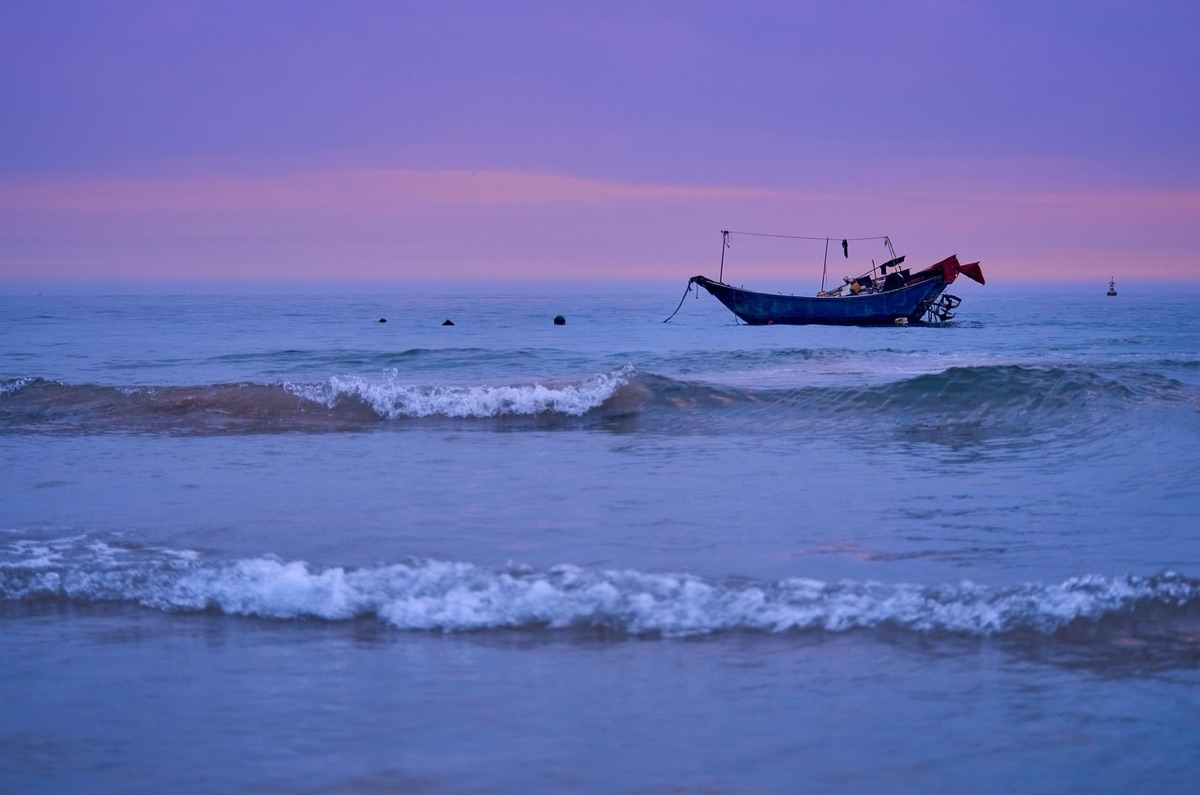
The morning sun hit the breakfast terrace in Grand Baie at 7:30 AM, turning the turquoise water into a sheet of hammered silver. I sat there with a coffee, watching a catamaran prepare for a day trip, wondering if the breeze would stay gentle or turn into a gale by noon.
The "best" time depends entirely on your priority: do you want a guaranteed tan, or do you want a quiet beach to yourself?
The High Season, typically spanning from May to December, offers the most stable and pleasant weather. During these months, the humidity is lower, and the skies are often a piercing blue. In 2025, travelers noted that the dry season provided the clearest visibility for underwater photography.
If you are planning a luxury honeymoon where the goal is a perfect poolside photo every single day, this is your window. However, you must book your villa or luxury suite at least six months in advance to secure the best spots.
The Low Season arrives with the wetter months, often characterized by higher humidity and more frequent tropical downpours. While the rain is often heavy, it rarely lasts all day; it usually arrives in dramatic bursts that clear the air.
For the budget-conscious traveler or those seeking solitude, this period offers significant savings on five-star resorts. In 2026, we saw luxury stays in areas like Flic en Flac drop by as much as 30% during these months.
The Shoulder Months—roughly April and May, or October and November—are often the "sweet spot." You get a balance of warm temperatures and manageable crowds. It is the perfect time for first-time visitors who want a bit of everything without the extreme heat or the extreme price hikes.
While the island is tropical, extreme weather is rare, but it is not non-existent. During the peak of the wet season, you might encounter rougher seas that can cancel boat excursions.
If you are traveling during these months, always have a "Plan B" involving land-based activities like visiting the botanical gardens or local markets.
What are Mauritius' microclimates and weather patterns? I stood on the edge of a cliff in Chamarel at 2:00 PM, feeling the wind whip against my face from the southeast, while the village in the distance remained perfectlyly still in the sun. It was a physical reminder that the weather in Mauritius is never the same on both sides of the island.
To understand the timing, you must understand the geography. Mauritius is an island country in the Indian Ocean, located about 1,100 nautical miles (2,000 km; 1,300 miles) off the southeastern coast of Africa, east of Madagascar.
This isolated position in the Indian Ocean basin means it is subject to prevailing trade winds that shape its microclimates.
The East Coast is often much windier and can experience rougher seas due to the direct exposure to the ocean. While beautiful, the water here might be too choppy for casual swimming during certain months.
In contrast, the West and North-West coasts are generally more sheltered, offering calmer, lagoon-like waters that are perfect for snorkeling and swimming.
The role of wind is the most critical factor for maritime activities. If you are planning a catamaran cruise or a deep-sea fishing trip, you need to know which coast will be calm. In the winter months, the southeast trade winds can be quite strong, making the east coast more turbulent.
Because of these variations, your choice of accommodation is just as important as your travel date. A traveler visiting in July might find the north coast pleasantly breezy and warm, while someone on the south coast might find it significantly cooler and wetter.
| Feature | High Season (Dry) | Low Season (Wet) | Shoulder Season |
|---|---|---|---|
| Weather | Sunny & Stable | Humid & Variable | Warm & Balanced |
| Crowd Level | High | Low | Moderate |
| Cost | Premium | Budget-Friendly | Moderate |
| Best For | Guaranteed Sun | Solitude/Value | First-Time Visitors |
Tailoring Your Trip to Your Vibe: Crowds, Budget, and Pace
The luxury resort felt almost empty in the late afternoon, the staff moving quietly between manicured gardens as we sat alone on a vast stretch of white sand. It felt like we had discovered a private kingdom, a luxury that felt much more expensive than our actual booking.
Your travel style dictates your ideal timing. If you are looking for a high-end, romantic luxury experience where privacy is a commodity, you might find that the "low" season actually offers more luxury for your money.
Many premium resorts drop their rates significantly during the wetter months, allowing you to stay in a much higher category of villa than you could in the peak season. In 2025, some luxury suites in Le Morne were available for 40% less than during the December peak.
For those seeking adventure and authenticity, the low season can be incredibly rewarding. With fewer tourists crowding the trails of Le Morne Brabant or the local markets in Port Louis, you can experience the true pulse of the island.
You will need to be flexible with your schedule, as a sudden rain shower might delay a morning hike, but the lack of crowds makes for a much more intimate connection with the local culture.
Family travel requires a different kind of calculation. For families with young children, the shoulder months are often the safest bet.
You want enough sun for the kids to enjoy the beach, but you also want to avoid the extreme heat of the peak summer months that can make outdoor activities exhausting for little ones.
If you are a budget traveler, the off-peak months are your best friend. You can navigate the island with ease, staying in boutique guesthouses that would be unaffordable during the peak season. Just remember to pack light, breathable clothing and a high-quality waterproof jacket.
Activity-Specific Timing: Matching Your Activity to the Weather
The captain of the catamaran pointed toward the horizon, where the clouds were gathering, and explained that we had to time our departure to catch the calmest waters before the afternoon breeze picked up. It was a lesson in local maritime wisdom.
When planning your itinerary, you must match your activities to the seasonal conditions. If your primary goal is water sports like scuba diving or snorkeling, you need to prioritize periods of low wind and high visibility.
Typically, the calmer waters of the north-west coast during the cooler months provide the best visibility for underwater exploration.
For land-based exploration, such as road trips through the central plateau or trekking through national parks, the weather is generally more forgiving. However, heavy rain can impact visibility on mountain roads and can make certain trekking paths muddy or slippery.
If you plan on doing significant hiking, the drier months are much safer and more comfortable.
Resort relaxation is possible year-round, but the "quality" of the sun changes. In the peak dry season, the sun is intense and direct, perfect for tanning but requiring constant sun protection.
In the wetter months, the light is often softer and more diffused by clouds, which can be lovely for photography but might result in less time spent sunbathing.
To ensure a successful trip, follow this planning checklist:
- Identify your "Must-Do" activity: Is it diving, hiking, or just lounging?
- Check the wind patterns: Match that activity to the appropriate coast (e.g., West coast for calm water).
- Set a budget buffer: If traveling in the low season, keep extra funds for indoor activities in case of rain.
- Verify seasonal availability: Some specialized tours or remote excursions may have limited schedules during extreme weather months.
- Plan for microclimates: Don't assume the weather in your hotel will be the same as the weather at your excursion site.



Comments 0