Mauritius: Spice Routes & Sega Rhythm Define Island Soul
"The rhythm of the drum is the heartbeat of the island, and the spice in the pot is its soul."
To truly understand Mauritius, you must look past the turquoise waters and realize that the island's identity is built on a complex, beautiful blend of people. This fusion is best experienced by pairing the bold, multi-layered flavors of local cuisine with the hypnotic, driving pulse of Sega music.
* Mauritian cuisine is a historical map of Indian, African, and Creole influences. * Sega music is the emotional heartbeat of the island, born from a history of resilience. * The most authentic way to travel is to balance luxury resort dining with local village markets. * A perfect itinerary pairs sensory exploration—tasting local spices followed by experiencing live rhythm—to create a complete cultural immersion.

Why is Mauritian cuisine such a culinary journey? The sun hangs low over a bustling market in Port Louis at 10:00 AM, casting long shadows across stalls piled high with turmeric, chili, and fresh coconut.
The air is thick with the scent of roasting spices and salt spray, a sensory overload that signals you have arrived in a place where flavor is a way of life.
Mauritian cuisine is not a single style; it is a masterpiece of fusion. Because the island's history involves migrations from India, Africa, and Europe, the kitchen became a melting pot.
You will find the heat of Indian masalas, the creamy richness of African-inspired coconut stews, and the bright, acidic notes of Creole preparation all on one plate.
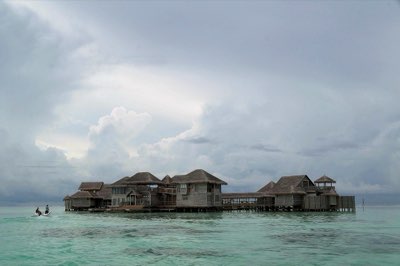
In high-end resorts in Belle Mare or Grand Baie, you might find refined versions of these flavors, often presented with elegant plating. However, the true soul of the food lives in the *marchés* (markets) and small village stalls.
In these local spots, the recipes are passed down through generations, often using ingredients harvested that very morning.
When I first walked through the Port Louis central market in 2025, the sheer variety of spices nearly took my breath away. I remember standing by a stall, watching a vendor hand-press dough, realizing that every scent told a story of a different continent.
If you are looking for a starting point, focus on these signature elements:
- Cari (Curry): While influenced by Indian traditions, Mauritian *cari* often incorporates local seafood or goat meat, resulting in a unique profile that is both hearty and aromatic.
- Dholl Puri: This thin, soft flatbread made from yellow split peas is a staple of Mauritian street food. It is often stuffed with various chutneys and is the perfect light lunch for a traveler on the move.
- Seafood Specialties: Being an island, the freshness of the catch is unmatched. Look for octopus or red snapper prepared with local spices and coconut milk.
To balance the heat of these dishes, always look for local beverages like fresh passion fruit juice or locally grown tea to cleanse the=((the palate between bites. But flavor is only half the story; the rhythm of the island is just as vital.
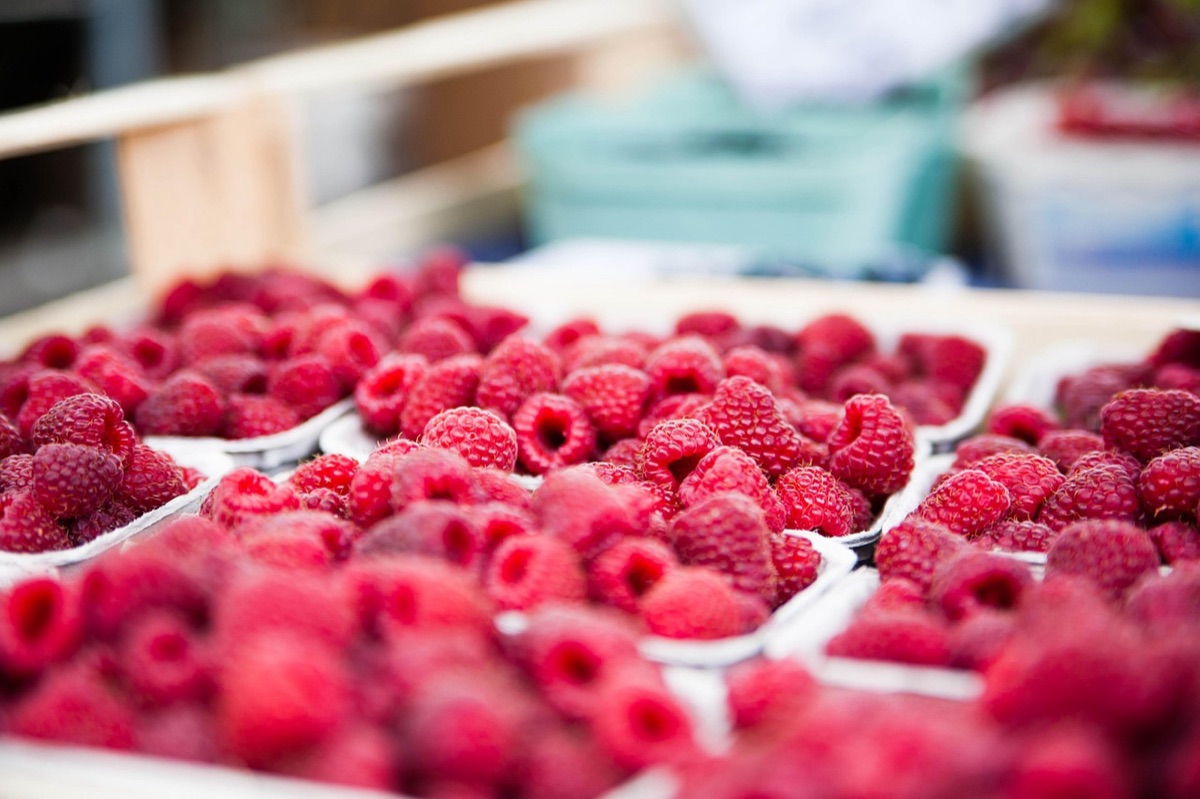
What is the pulse behind Sega music? A group of musicians gathers under a large banyan tree as the evening breeze picks up at 7:30 PM. The sudden, sharp strike of a drum cuts through the sound of the waves, and suddenly, the atmosphere shifts from relaxed to electric.
Sega is more than just a genre of music; it is the living history of the Mauritian people. It originated among the enslaved populations of the island, serving as a way to express both the hardships of labor and the joy of community. It is a rhythm of resilience.
The music is characterized by its syncopated beats, often played on traditional instruments like the *ravanne* (a large, circular drum).
Depending on the setting, the mood of Sega can change drastically:
* Celebratory Sega: Fast-paced, upbeat, and designed to make you move. This is common at festivals or large social gatherings. * Melancholic/Slow Sega: Slower tempos that tell stories of longing or historical struggle, often heard in more intimate or traditional settings.
In modern luxury resorts, you will often see "show" versions of Sega designed for tourists. While these are beautiful and well-produced, they are often polished for a stage.
To hear the raw, unscripted energy of the rhythm, you must seek out local community gatherings or cultural festivals where the music is a shared social experience rather than a performance.
The dance that accompanies Sega is just as vital—it is a rhythmic, swaying movement that connects the dancer to the earth and the beat. But how do you actually plan a day that captures both the flavor and the beat?
🧭 Curating Your Perfect Immersion: Pairing Food & Sound
Imagine a day that begins with the vibrant colors of a spice market and ends with the hypnotic beat of a drum under a starlit sky. This is how you transition from a mere visitor to a traveler who truly understands the local pulse.
To maximize your experience, you should aim for a sensory sequence: Sightseeing → Local Meal → Musical Experience. This allows you to absorb the environment before engaging your senses deeply.
| Travel Style | Dining Focus | Musical Focus | Best For |
|---|---|---|---|
| The Luxury Explorer | Fine-dining fusion in Belle Mare | Curated evening Sega shows | Couples & Honeymooners |
| The Cultural Immersionist | Street food & Market tours in Port Louis | Local village gatherings | Solo travelers & Foodies |
| The Family Adventurer | Casual seafood lunches by the beach | Interactive drum workshops | Families with older children |
The "Authentic Pairing" Itinerary
If you have a full day to dedicate to culture, follow this structured approach:
- Morning: The Market Exploration. Head to a local market (like the central market in Port Louis) by 9:00 AM. This is when the freshest produce and spices are available. Sample *dholl puri* or local fruit juices to understand the base flavors of the island.
- Afternoon: The Coastal Drive. Travel toward the South Coast or the wilder parts of the island. This transition from the busy north to the more rugged landscapes mirrors the transition from modern life to traditional roots.
- Evening: The Rhythmic Finale. Find a local restaurant or a cultural center that hosts live music. Start with a hearty Creole meal—perhaps a seafood curry—and let the transition from a heavy meal to the upbeat energy of Sega provide a natural crescendo to your day.
When deciding between a luxury resort and a local dive, remember that both have their place. Use the luxury resorts for relaxation and high-end comfort, but do not be afraid to step away from the buffet to find the real flavors of Mauritius.
The most memorable meals are often the ones eaten on a plastic chair in a small village, accompanied by the sound of local life. However, you need to know what to expect when you arrive.

✈️ Planning Your Visit
When planning your trip, it is helpful to keep a few practical realities in mind regarding the local environment and logistics. In the current 2026 travel landscape, understanding the nuances of the island is key to a smooth journey.
According to the World Bank, Mauritius recorded international tourist arrivals of 316,000 in 2020.
* Climate and Seasonality: The best time to visit for outdoor dining and music festivals is during the dry season (typically May to December). During the wetter months, outdoor musical events may be harder to find. * Geography: Remember that Mauritius is an island of distinct regions. The North is bustling and commercial, the East is known for luxury resorts, and the South/West offers more rugged, natural beauty. Plan your "theme" based on which coast you are staying on. * Budgeting: While luxury resorts can be quite expensive, local food is very affordable. A well-planned budget should allow for a mix of high-end dining and authentic street food.
| Aspect | Detail |
|---|---|
| Primary Language | English and French (Creole is widely spoken) |
| Currency | Mauritian Rupee (MUR) |
| Travel Tip | Always carry small change for local markets |
The transition from the spice-laden air of the morning to the drum-heavy nights of the evening is the true rhythm of Mauritius. But you might still have lingering questions.



Comments 0