East Coast Resort Board Basis: Half vs All-Inclusive Guide
Choosing between dining plans requires a clear understanding of how meal structures impact your travel budget and daily freedom. This guide compares the differences between half board and all-inclusive options to help you decide which fits your vacation style.
* Understand the core differences in meal coverage. * Evaluate cost-effectiveness based on dining habits. * Assess the lifestyle changes between flexible and structured plans.
How does an East Coast Resort Board Basis affect your budget?
At sunset, I grip my leather wallet tightly while staring at the expensive menu in this east coast resort.

A traveler sits at a wooden table overlooking the turquoise waves, glancing at a bill that reflects only breakfast and dinner. This is the essence of a half board arrangement, where you secure two main meals but remain responsible for lunch and snacks.
Selecting a specific meal plan is a foundational part of your East Coast Resort Board Basis. This choice dictates whether you will need to budget for spontaneous lunches at local cafes or if your expenses are entirely prepaid.
While half board offers more freedom for mid-day exploration, it requires additional funds for every lunch and beverage. If you plan to spend your afternoons exploring the island, you might find yourself paying more in the long run than expected.
The cost-effectiveness of a plan depends on your appetite and movement. For those who prefer to return to their room for a midday rest, a different structure might be more logical.
Choosing a board basis determines your initial trip cost and dictates how much liquid cash you need to carry during your stay. A more comprehensive plan reduces daily spending variability, while a lighter plan requires more frequent individual transactions.
What is the difference in an All Inclusive vs Half Board experience?
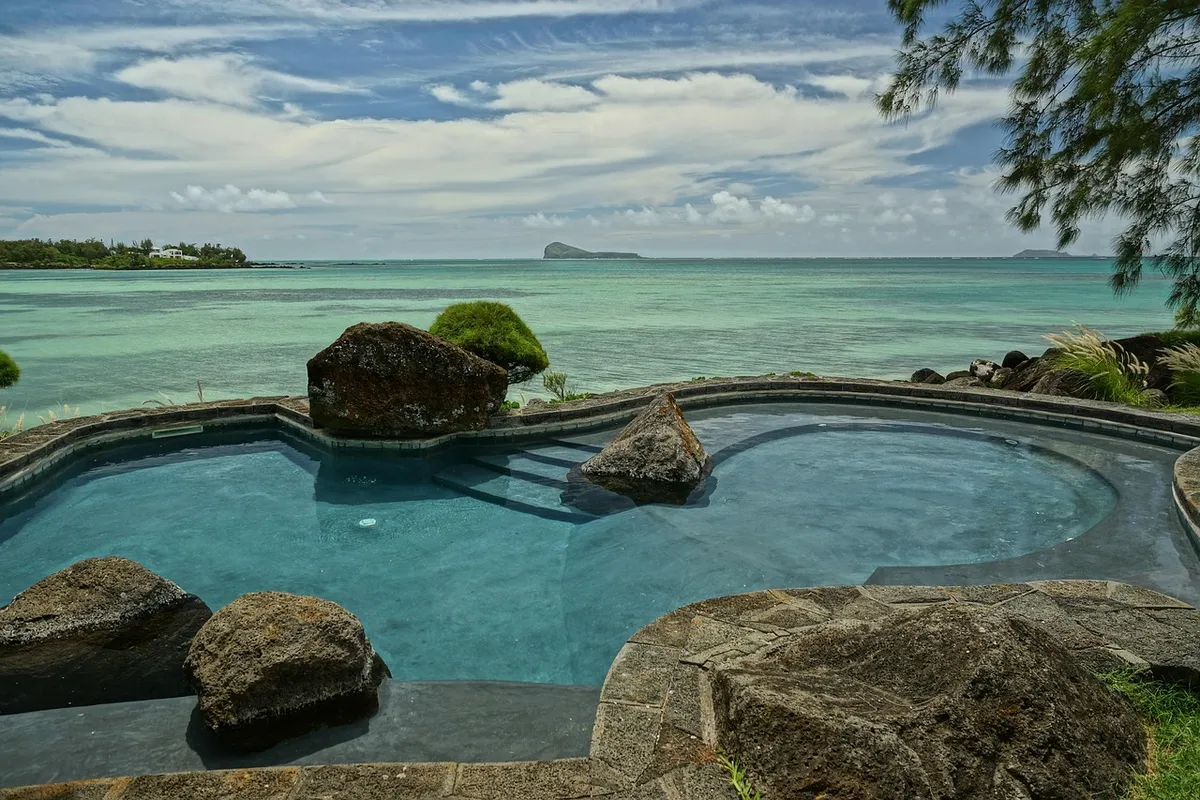
A guest walks through a bright resort lobby, holding a drink that was included in their morning check-in. They feel the ease of not reaching for a wallet during a casual afternoon snack.
The debate of All Inclusive vs Half Board often centers on the level of predictability you desire. All-inclusive plans typically cover all meals, snacks, and most beverages, providing a fixed cost from the moment you arrive.
In contrast, half board leaves much of your culinary experience to chance. You might enjoy a relaxed morning but face unexpected costs when deciding on a seaside lunch or an evening cocktail.
A dining experience review often highlights that all-inclusive plans eliminate the stress of daily budgeting. However, they require you to stay within the resort's ecosystem to realize the full value.
Half Board typically covers breakfast and one other meal, leaving you free to explore local dining for lunch and dinner. In contrast, All-Inclusive provides a continuous stream of meals, snacks, and beverages, removing the need to manage separate meal budgets throughout the day.
Exploring East Coast Dining Options and flexibility

A couple walks along the shoreline, deciding whether to head back to the resort or find a local eatery. Their decision is shaped by the meals they have already paid for. According to the World Bank, Mauritius recorded international tourist arrivals of 316,000 in 2020.
Understanding East Coast Dining Options helps you navigate the balance between luxury and exploration. Half board is designed for travelers who want to sample local cuisine during the day without being tied to a hotel buffet.
If you choose a plan that only covers two meals, you gain the freedom to taste authentic island flavors at various locations. This flexibility is a major draw for those who do not wish to eat every meal in a resort setting.
Conversely, an all-inclusive plan might feel restrictive if you find yourself constantly hungry for something different than what the resort offers. It is a trade-off between total convenience and culinary variety.
The East Coast offers a diverse culinary landscape, from casual seafood shacks to upscale waterfront dining. Having flexibility in your meal plan allows you to balance scheduled resort meals with spontaneous local excursions.
How to use a Resort Meal Plan Guide for planning
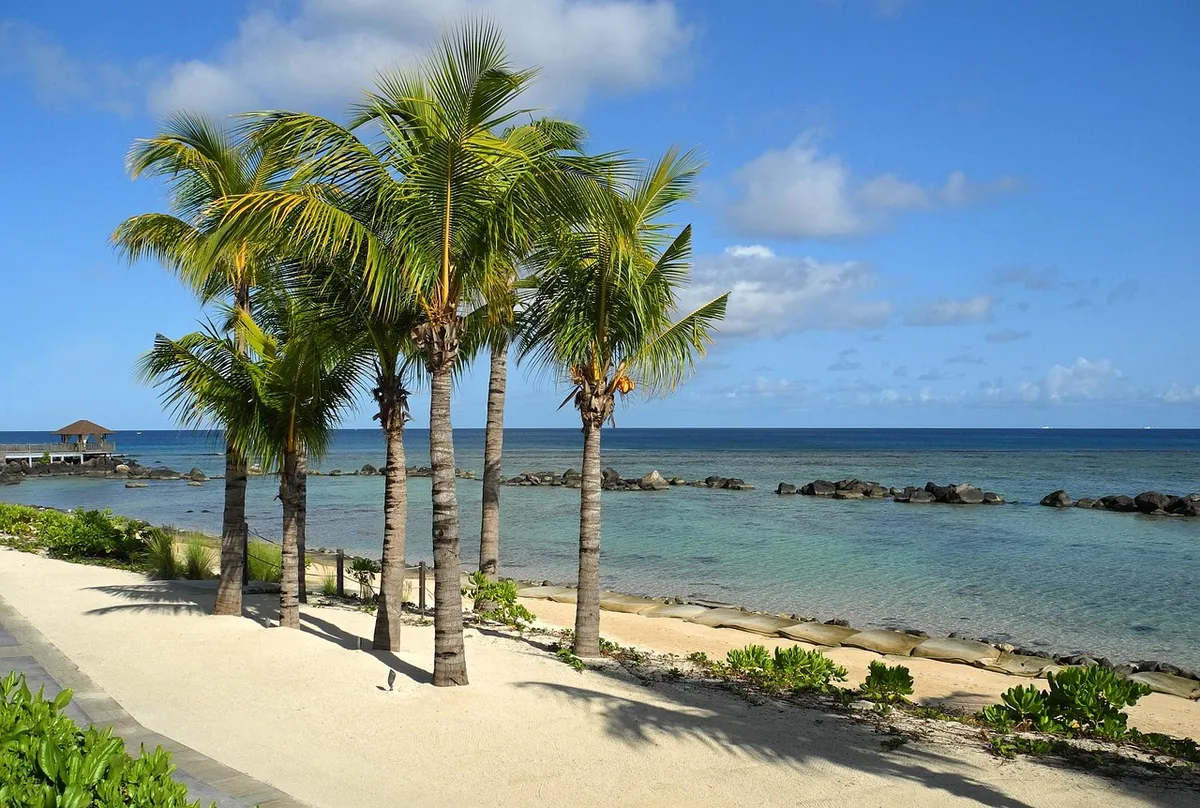
A traveler sits with a notebook, sketching out a schedule that alternates between resort dining and local excursions. They are creating a personal itinerary based on their meal plan. As reported by the WTO, Mauritius ranked second in a WTO global air quality index in 2011.
A well-constructed Resort Meal Plan Guide should focus on your daily routine. You must determine if you are a "stationary" traveler or an "explorer" to make the right choice.
- Assess your daily movement: Will you return to the resort for lunch or spend the whole day out? 2. Calculate beverage costs: Do you enjoy cocktails and bottled water throughout the day? 3. Evaluate dining variety: Do you want to eat at the resort every time or seek out outside flavors?
After completing these steps, check if your chosen plan aligns with your expected daily activity level. I found that matching the plan to my movement was the most vital step in avoiding budget surprises.
A limitation of this comparison is that specific resort offerings vary wildly, and a plan labeled "all-inclusive" in one location may not include the same amenities as another.

- Review the meal plan inclusions to identify which meals and snacks are covered.
- Map out your daily activities to see where meal times align with your itinerary.
- Identify any additional costs for specialty restaurants or premium beverages to avoid budget surprises.
Comparison of Meal Plan Structures
| Feature | Half Board | All-Inclusive |
|---|---|---|
| Included Meals | Breakfast and Dinner | All meals and snacks |
| Beverage Coverage | Usually limited to water/tea | Often includes alcohol/soft drinks |
| Daily Freedom | High for lunch and snacks | Low, as costs are prepaid |
Meal plans range from Full Board, which covers three main meals, to All-Inclusive, which often includes snacks and drinks. The right structure depends on whether you prefer structured dining or the freedom to eat at different times.
Related
- Mauritius coast resort guide: Northwest vs East vs Southwest
- Mauritius Indian cuisine history: Land shapes unique tastes
When is the upfront cost of All-Inclusive truly beneficial?
The upfront cost of an all-inclusive package proves most beneficial when your group has varied tastes and desires to sample many different local vendors during the day.
If your group intends to eat at the resort for every meal, the predictable nature of the all-inclusive pricing structure becomes a significant advantage. This predictability allows travelers to focus on activities rather than on the daily tracking of expenses.
Conversely, if your group enjoys a mix of resort dining and local finds, the half board structure allows you to control exactly where and when you spend your money on midday meals. This control is crucial for managing the overall budget while still enjoying the vacation environment.
Finalizing Your Decision: Choosing the Right Fit
Choosing between dining plans requires a final assessment of your group's collective habits. If spontaneity and variety are high priorities, the freedom afforded by half board might outweigh the convenience of an all-inclusive package.
Conversely, if maximizing relaxation without financial oversight is the goal, the fixed nature of all-inclusive becomes the superior choice. Both options, when understood correctly, support a successful coastal getaway.
An upfront All-Inclusive cost is most beneficial for travelers who plan to spend most of their time on-site and consume multiple meals and drinks daily. It provides price certainty and eliminates the stress of calculating individual meal costs during your vacation.




Comments 0