Mauritius Indian cuisine history: Land shapes unique tastes
"The flavors of Mauritius carry the weight of migrations, blending ancestral spices with the unique soil of an island nation."
Mauritius Indian cuisine history is defined by the fusion of traditional techniques brought by migrant communities and the local ingredients available on the island.
This evolution reflects a journey from strictly traditional recipes to a unique island identity that blends various cultural influences.
Key takeaways include the historical roots of the culinary traditions, the transition from traditional to modern styles, and the specific ways these flavors have adapted to the local environment.
How did the history of Mauritian food begin?
At dawn, an old traveler brushes through dusty spice sacks at a seaside market to touch the ancient history of mauritius.
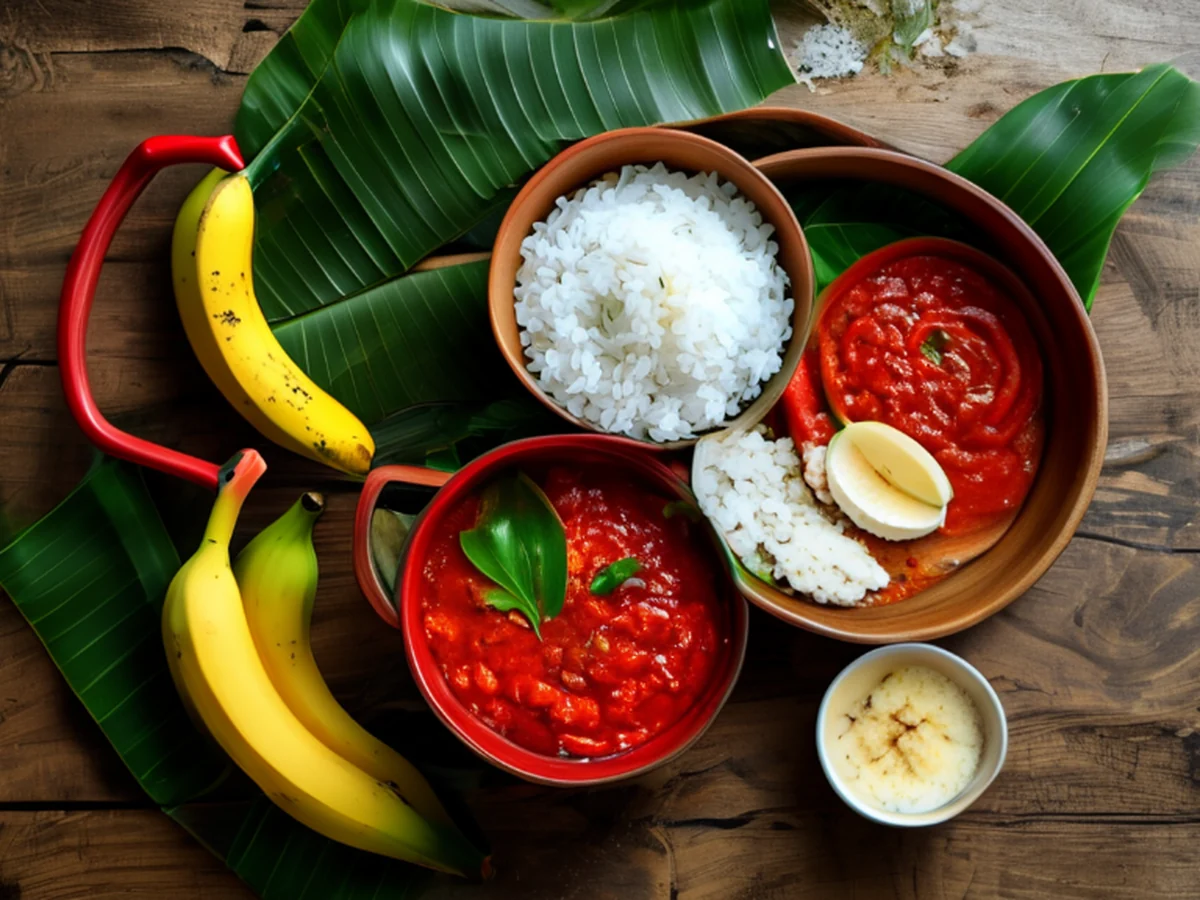
A traveler walking through a vibrant local market might see the heavy influence of spice trade and migration reflected in every stall. The history of Mauritian food is deeply tied to the movement of people across the Indian Ocean, which brought diverse culinary traditions to the island.
These early settlers brought seeds, spices, and cooking methods that would eventually form the backbone of the local diet.
The foundation of the island's food lies in these historical movements. The early settlers established farming practices that allowed for the cultivation of essential ingredients. This period laid the groundwork for what would become a complex and layered food culture.
As more people arrived, the culinary landscape continued to shift and expand.
The impact of these migrations remains visible in the way people cook today. Traditional methods were often adapted to use whatever was locally available. This necessity turned simple survival cooking into a sophisticated art form.
The early stages of this development were essential for the survival and eventual flourishing of the community.
However, these historical influences may not fully reflect the flavors of specific remote island settlements.
What defines Mauritian Indo cuisine?
In a humid coastal kitchen at sunset, a chef tastes a sharp spice blend that defines the unique soul of mauritius.
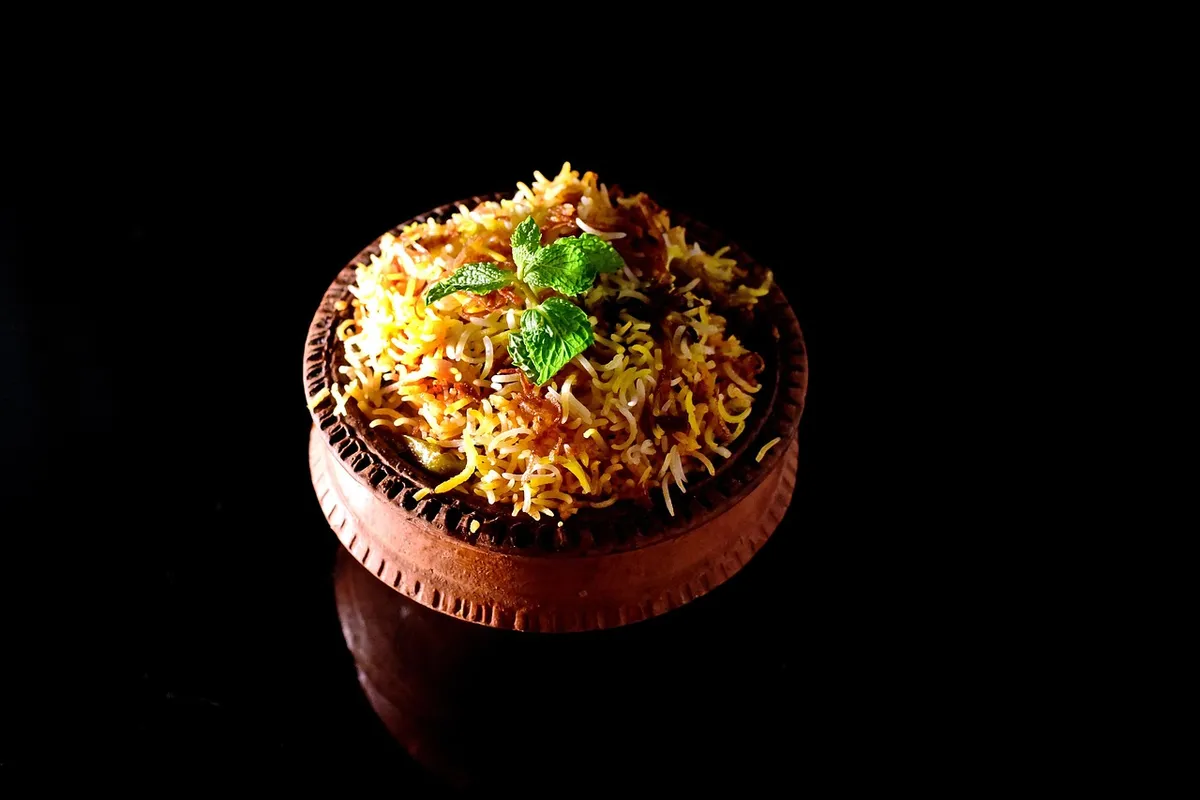
A chef preparing a meal in a small coastal kitchen might carefully balance heat and acidity to achieve a specific flavor profile. Mauritian Indo cuisine represents a unique blend of South Asian culinary heritage and the specific environmental conditions of the island.
While it retains the spice-heavy profiles of its origins, it has been modified by the local availability of coconut, seafood, and tropical produce.
The identity of this cuisine is found in the marriage of old-world techniques and new-world ingredients. Many dishes that were once strictly traditional have been subtly altered to suit the local palate.
This has resulted in a style of cooking that is recognizable to those from the subcontinent but distinctly different from the food found in India.
The flavors are often more nuanced due to this hybridity. Instead of purely replicating ancestral recipes, cooks often use local acidity to balance heavy spices. This creates a dining experience that is both familiar and surprising.
The result is a culinary tradition that stands as a testament to cultural resilience.
However, these definitions may not apply to fusion dishes that deviate from traditional spice profiles.
According to World Bank, the 2024 record includes 40.9%.
Is Indian food in Mauritius different from mainland styles?
A diner sitting at a wooden table might notice that the aroma of a curry in Port Louis differs slightly from the scents of a market in Delhi. Indian food in Mauritius has undergone a significant transformation due to the geographic separation from the mainland.
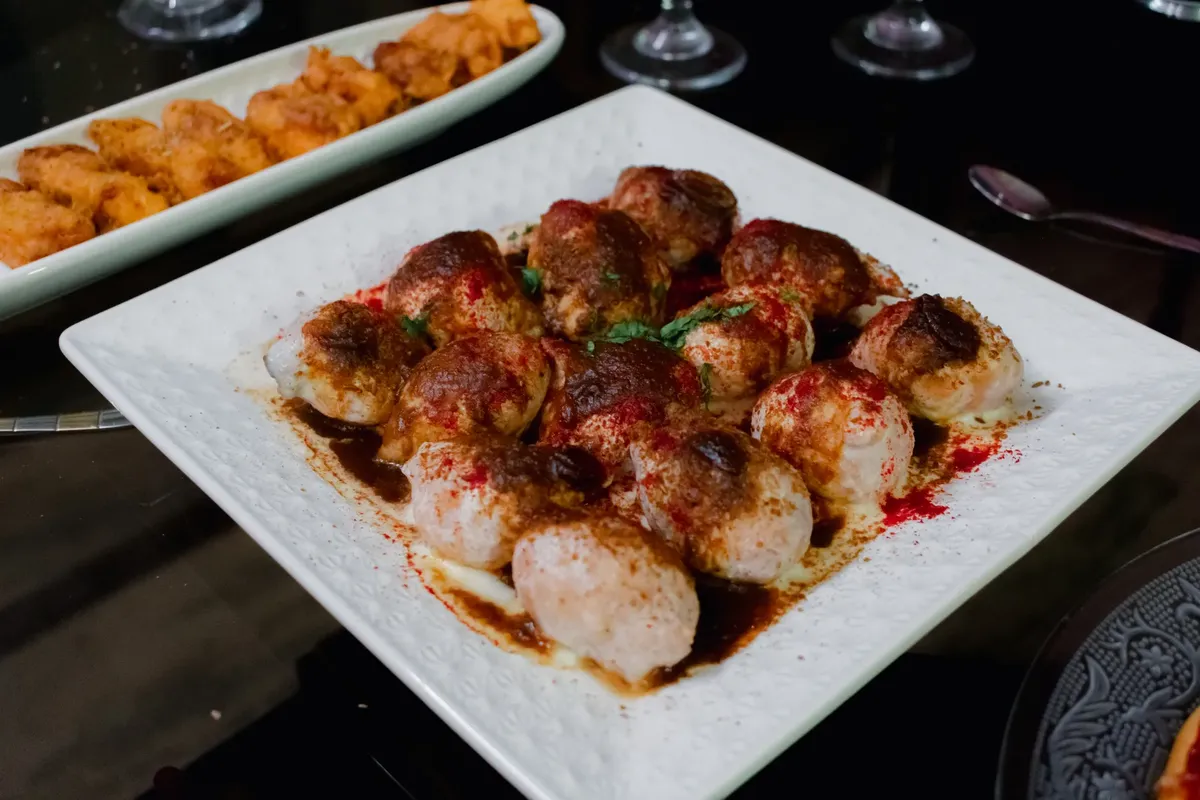
The isolation allowed for the development of specific flavor profiles that are unique to the island.
The divergence is most noticeable in the use of certain spices and the inclusion of local seafood. While the core spices remain central, the ratios and the secondary ingredients vary significantly. This distinction is a point of pride for many local cooks who view their food as a unique entity.
The separation also meant that certain ingredients were unavailable, forcing innovation. This forced innovation led to the use of local substitutes that eventually became staples themselves. Consequently, the food is a living record of the island's history and its people's ingenuity.
However, these distinctions might not be apparent in dishes that strictly follow original regional recipes.
What are the Mauritius culinary roots?
A person gathering herbs in a garden might realize that every plant tells a story of how the island was settled. The Mauritius culinary roots are deeply embedded in the history of the diaspora and the agricultural landscape.
The ability to cultivate diverse crops was essential to the establishment of these communities.
The roots of the food culture are tied to the land and the sea. Early inhabitants had to master both to sustain their growing populations. This dual focus created a cuisine that is equally comfortable with terrestrial spices and maritime ingredients.
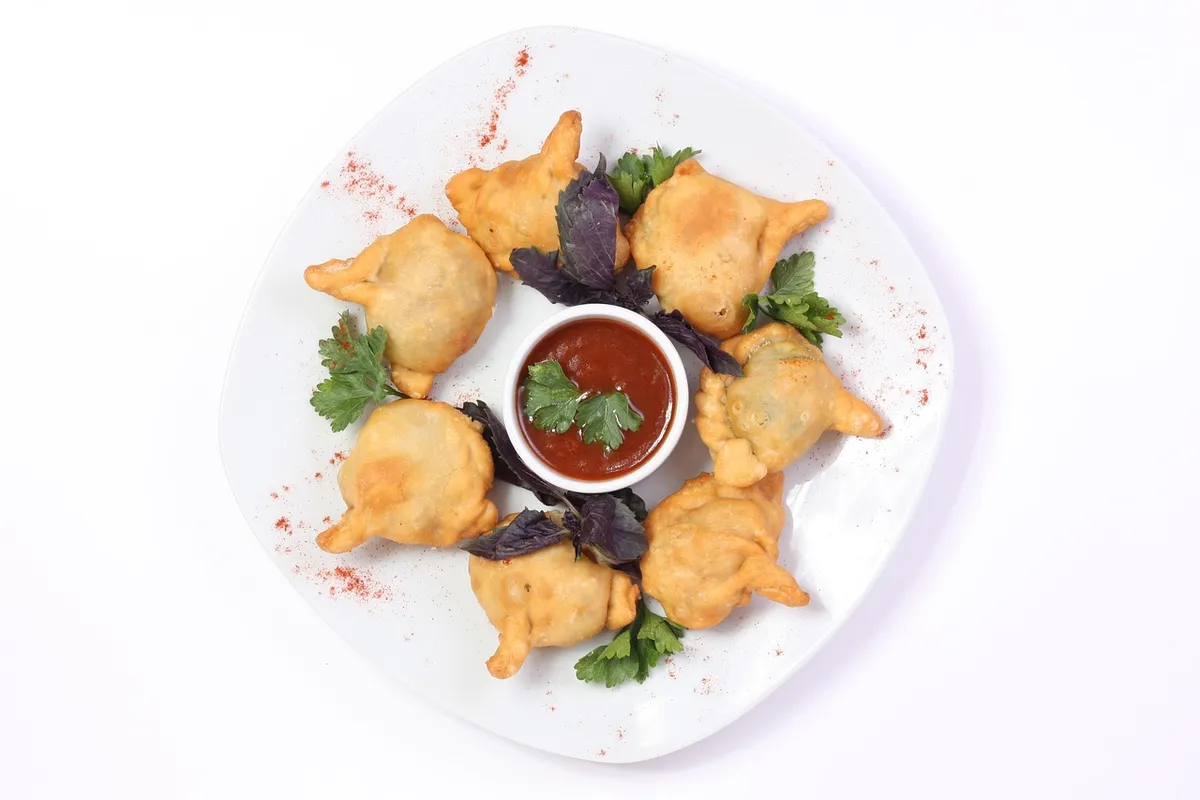
The strength of these roots is seen in the persistence of certain cooking techniques. Even as the world changes, the fundamental ways of preparing food remain a constant. This provides a sense of continuity and connection to the past for the local population.
However, these roots may not account for the rapid changes brought about by recent global migration.
How do modern variations shape the dining experience?
A modern restaurant owner might experiment with plating traditional stews in a way that appeals to international tastes. The evolution of these flavors is a continuous process of experimentation and adaptation.
Modern chefs often take traditional base recipes and introduce contemporary textures or presentation styles.
This evolution does not mean the loss of tradition but rather its expansion. By incorporating modern culinary trends, the community ensures that its heritage remains relevant to younger generations and visitors. It is a way of keeping the history alive through active participation.
The tension between tradition and innovation is a constant theme in the kitchen. Some chefs focus on strictly preserving the past, while others push the boundaries of what the cuisine can be. This balance keeps the food scene dynamic and engaging.
However, these modern adaptations may not suit those seeking strictly traditional flavors.
How does the land affect the food?
A farmer tending to a field might see how the soil shapes the very flavors that end up on the plate. The development of these culinary traditions was heavily influenced by the land's capacity to support diverse crops.
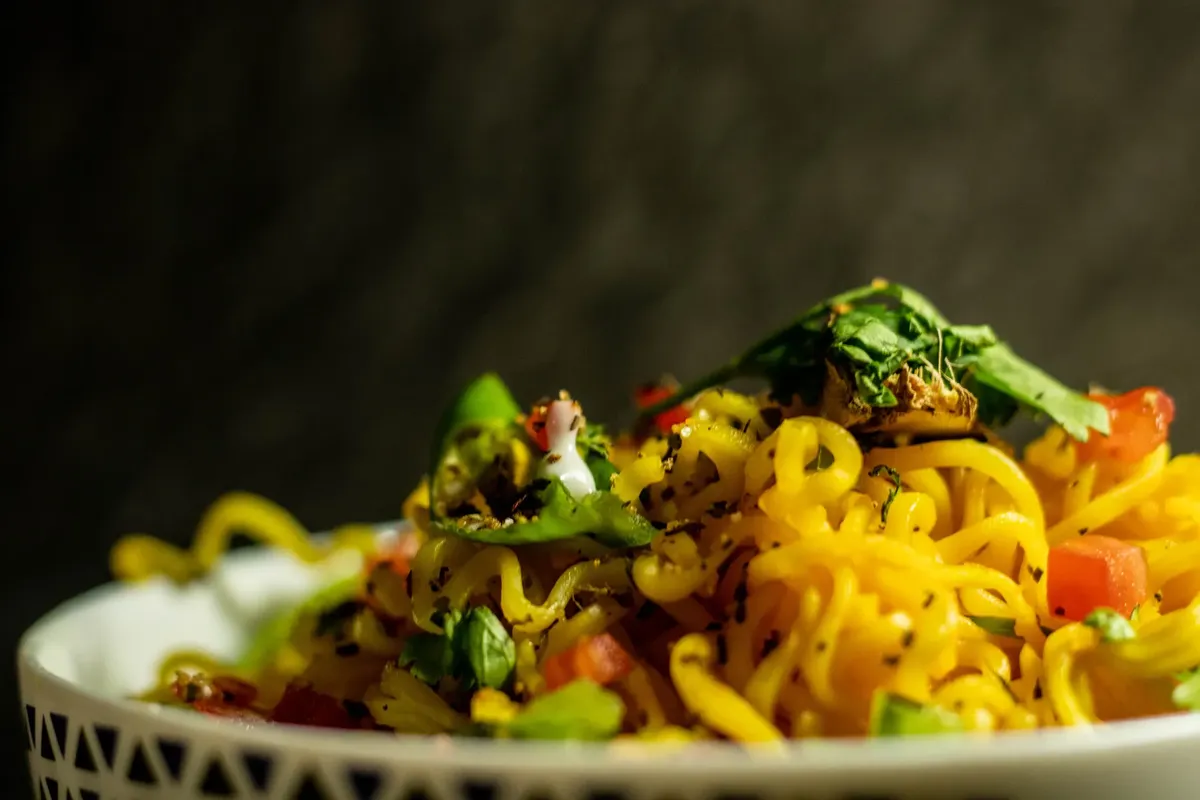
According to World Bank data, Mauritius recorded agricultural land share of 40.9% in 2024.
The agricultural history of the region provided the necessary foundation for a stable food culture.
The successful cultivation of spices and vegetables allowed for a stable diet that could support large communities. This agricultural stability was a prerequisite for the development of complex culinary traditions. The land provided the canvas upon which these flavors were painted.
The relationship between the people and the land remains a central theme. As agricultural practices evolved, so did the food. The history of the food is, in many ways, the history of the land itself.
However, the impact of the land may be less significant in highly processed or imported food products.
- How did the history of Mauritian food begin?
- What defines Mauritian Indo cuisine?
- Is Indian food in Mauritius different from mainland styles?
Related




Comments 0