Mauritius: Discovering the Island's Seven-Colored Earth
"The earth itself seems to have been painted by a giant's brush, shifting from ochre to violet under the midday sun."
If you are looking for the heart of Mauritius, you won't find it on a flat beach; you find it in the volcanic ridges and multicolored dunes of the southwest.
This guide breaks down how to navigate the legendary Chamarel coast and how to structure your entire island stay around these geological wonders.
Key Takeaways * The "Seven-Colored Land" is a geological phenomenon resulting from volcanic activity, offering a visual spectrum unlike any other tropical destination. * The Chamarel Coast serves as the ultimate hub for nature lovers, combining waterfalls, trekking, and unique landscapes.
* Effective planning requires balancing the luxury of the East Coast with the rugged, authentic soul of the South-West. * A successful itinerary should group Chamarel visits with local cultural immersion to maximize travel time.
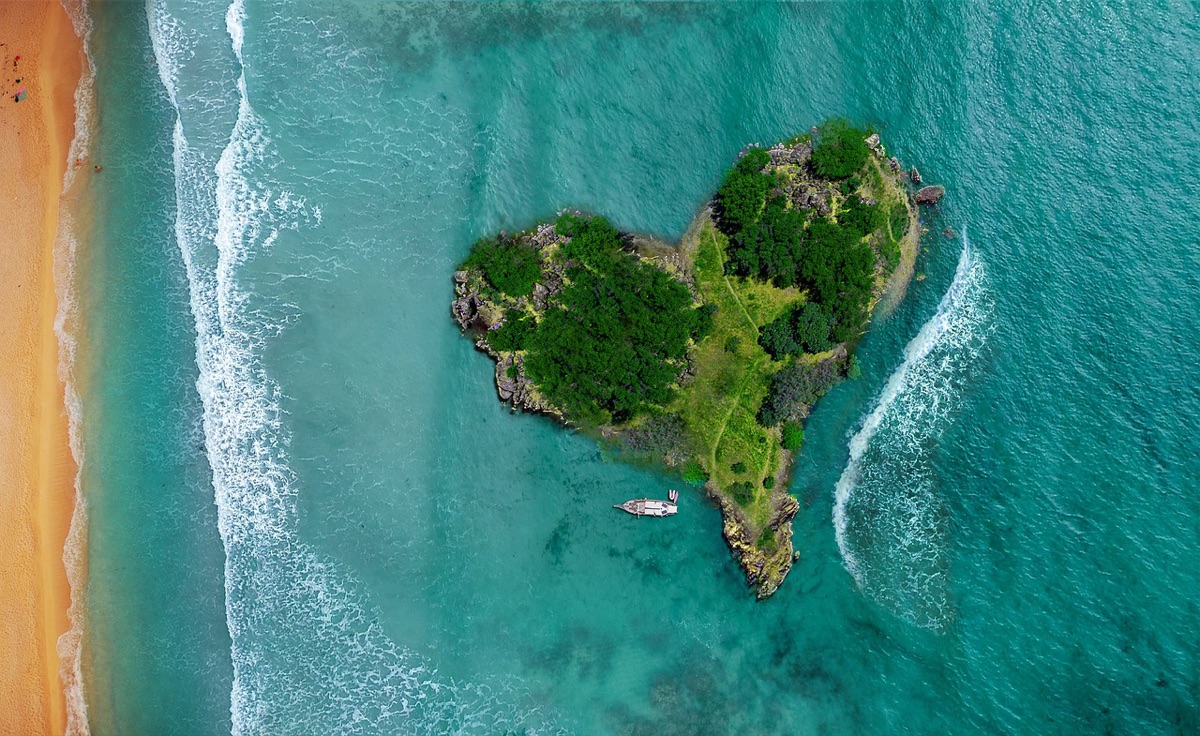
Why is Mauritius called the "Seven-Colored Land"?
The sun hits a dusty ridge in the southwest, and for a moment, the ground looks like it was dusted with rainbow powder. You stand at the edge of a trail, breathing in the scent of wild greenery, looking down at dunes that refuse to blend into a single shade of brown.
While many travelers come for the turquoise waters, the true identity of Mauritius lies in its volcanic origins. The "Seven-Colored Earth" in Chamarel is the most famous example of this, where basaltic rocks have weathered into shades of violet, red, brown, and green.
This geological diversity is mirrored in the island's cultural tapestry. The convergence of Indian, Creole, and Chinese influences has created a lifestyle that is as vibrant as the landscape itself.
The spectrum of the island also applies to its moods. The North-West is a bustling hub of energy, the East is a sanctuary of high-end luxury, and the South-West—where the colored earth resides—is a place of raw, natural beauty. This variety ensures that no two days in Mauritius feel identical.
But how do you actually navigate these diverse terrains without spending your whole vacation in a car?
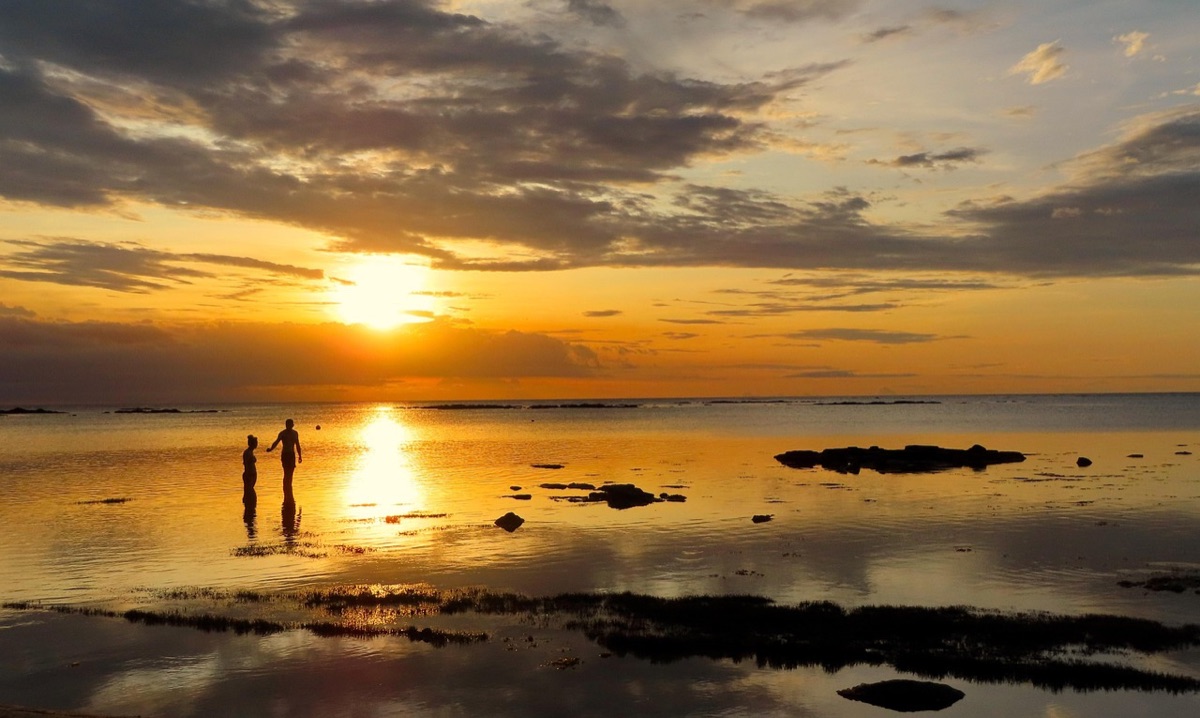
How can I reach the soul of the island? A winding road snakes through lush greenery, and suddenly, a massive waterfall plungs into a deep, emerald pool. The mist from the falls cools the air, a sharp contrast to the heat of the volcanic plains nearby.
The Chamarel area is a concentrated dose of the island's best features. Beyond the famous dunes, you have the Chamarel Waterfall, which offers a dramatic vertical drop, and various trekking paths that lead through unique rock formations.
To truly experience this area, you must look beyond the postcards. Visit local villages to see how the volcanic soil supports unique agriculture, or explore the local markets to taste flavors shaped by this specific terrain.
Reaching Chamarel depends on your base. If you are staying in the North-West, it is a significant drive through the center of the island. If you are based in the South or East, it is much more accessible.
For the best experience, pair a morning visit to the dunes with a late-afternoon trek to avoid the midday heat and catch the light at its most dramatic.
However, planning the perfect trip requires more than just showing up; you need a strategy to balance the different worlds of the island.
How do I plan my perfect Chamarel Coast trip? You sit at a small wooden table in a seaside cafe, spreading a map across the surface to plot your next move. You decide that a frantic pace won't do; you want to feel the rhythm of the island instead.
Because Mauritius offers such distinct zones, your itinerary should be themed. Depending on your travel style, you might choose one of these two approaches:
Option 1: The Luxury & Nature Blend (10-Day Honeymoon/Family Focus) 1. Days 1–4: The East Coast. Settle into a luxury resort to acclimate. Focus on beach relaxation and water sports. 2. Days 5–7: The Chamarel Deep Dive. Move to a boutique villa or nature-focused lodge in the South-West.
Spend these days trekking, visiting the Seven-Colored Earth, and exploring waterfalls. 3. Days 8–10: The North-West. End with vibrant shopping, dining, and easy access to the airport.
Option 2: The Cultural Explorer (7-Day Intensive) 1. Days 1–3: The South-West Hub. Base yourself near Chamarel to maximize nature activities. 2. Days 4–5: The Central Highlands. Visit tea plantations and botanical gardens.
� * Days 6–7: The North-West. Transition to the coast for a celebratory finale.
When I first planned a trip through these regions in 2025, I realized that trying to do everything in one week was a mistake. You need to group your activities by geography to avoid spending 4 hours a day in transit.
For most travelers, renting a car is the superior strategy. While private transfers are seamless, a rental car allows you to stop at a roadside fruit stand or a hidden viewpoint without waiting for a driver.
If you choose this route, remember that traffic in the central regions can be heavy during morning and evening commutes. But once you settle on a base, you have to decide which version of the island you actually want to live in.

Beyond the Coast: Matching Your Stay to Your Dream
The sun sets over the ocean, casting long shadows across the different landscapes of the island. You realize that choosing a hotel isn't just about the room; it's about choosing which version of Mauritius you want to live in.
According to the World Bank, Mauritius recorded a GDP per capita of US$12,991 in 2025.
To make a decision, you must understand the three primary coastal segments:
| Feature | North-West (Grand Baie Area) | East Coast (Belle Mare) | South-West (Chamarel/Le Morne) |
|---|---|---|---|
| Vibe | Vibrant, social, busy | Ultra-luxury, secluded | Natural, rugged, authentic |
| Best For | Nightlife & shopping | Honeymooners & privacy | Adventure & nature lovers |
| Landscape | Shallow bays & marinas | Wide sandy beaches | Cliffs, dunes & mountains |
Decision Matrix: * If you want constant activity and easy access to restaurants: Choose the North-West. * If you want a private paradise with world-class service: Choose the East Coast.
* If you want to wake up to mountains and wild landscapes: Choose the South-West.
Your choice of coast also dictates your dining experience. The North-West offers international variety, while the South-West provides more opportunities for authentic Creole flavors and local seafood.
But how do you make the most of your time once you actually arrive at your destination?
Elevating the Experience: Activities & Adventures
A sudden gust of wind catches your hat as you stand on a high ridge, looking out over the vast Indian Ocean. The scale of the landscape is breathtaking, reminding you of how much of the island is still wild.
To maximize your time in the Chamarel region, you should sequence your activities to match the energy of the day. A morning spent walking through the dunes is physically engaging, so it is best followed by a relaxed lunch in a local village.
If you are looking for more adrenaline, consider these additions to your plan: 1. Helicopter Tours: To see the "Seven-Colored Earth" and the coastline from above, providing a perspective impossible from the ground. 2.
Catamaran Cruises: Often departing from the coast near Chamarel, these are perfect for seeing the transition from volcanic land to coral reefs. 3. Trekking: Use the trails around Chamarel to connect with the highland forests.
Please note that certain activities, such as helicopter tours or boat trips, are highly dependent on weather conditions and wind speeds. Always check local maritime safety advisories before booking water-based adventures.



Comments 0