39.6% FDI to India via Mauritius: A Decade of Flows
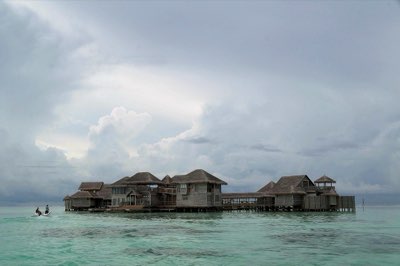
"The turquoise waters of the Indian Ocean suggest a quiet paradise, but the financial corridors of Port Louis tell a much more dynamic story of global capital."
While the waters look still, the island acts as a vital bridge, funneling massive amounts of capital into one of the world's fastest-growing economies.
* Mauritius serves as a critical conduit, providing significant FDI into the Indian market. * The country benefits from a robust regulatory framework conducive to international investment. * Understanding the investment pathway is key to leveraging Mauritius's role in South Asian economic integration.

Why is it the preferred conduit for India investment?
A sun-drenched boardroom in Ebene overlooks the sprawling greenery of the island, where international investors meet to finalize complex cross-border deals. They aren't just looking at the scenery; they are looking at a highly optimized legal architecture designed to facilitate global trade.
The attraction of Mauritius as a gateway is not accidental; it is the result of deliberate policy and historical alignment.
Thanks to its low 3% capital gains tax, quality regulatory framework, professional labour, geographical proximity, cultural affinities, and historical ties with India, Mauritius is the most attractive conduit for investments into India.
These factors create a stable environment where capital can move efficiently between global markets and the Indian subcontinent.
The combination of a sophisticated legal system and a deep-rooted cultural connection makes it a natural choice for those looking to navigate the complexities of South Asian markets. It is a place where international standards meet local expertise.
But why do the numbers look so lopsided compared to other neighbors?

How massive is the Mauritius-India investment link?
Late at night in a quiet library, a researcher rubs tired eyes while staring at the endless flow of data on the screen.
A researcher sits in a quiet library, scrolling through decades of economic data that show a massive, consistent flow of wealth moving through a single island. The numbers tell a story of a specific, concentrated economic relationship that has shaped the modern era of Indian development.
The scale of this relationship is historically significant. In fact, 39.6% of FDI to India came from Mauritius between 2001 and 2011. This massive percentage highlights how central the island became to the Indian investment landscape.
While the scale of these flows is enormous, the local economy remains resilient; according to World Bank data, Mauritius recorded GDP growth of 3.2% in 2025. This growth demonstrates that the nation is not just a transit point, but a growing economy in its own right.
When I first looked at these historical percentages, I was struck by how much weight a single small island could carry in a continental economy. It felt almost impossible until you saw the legal structures in place.
However, such large flows of money often invite intense scrutiny.
What are the risks in the investment landscape?
An auditor reviews a stack of tax treaty documents, looking for the nuances that define international finance. The complexity of these papers reflects the high stakes of global tax planning and the scrutiny that comes with it.
As a regional hub, Mauritius has carved out a unique niche in the global investment community. However, this role has not been without controversy.
This scrutiny has led to constant evolution in how these investment routes are managed and regulated.
The tension between efficient capital movement and tax compliance remains a central theme in the relationship between the island and the mainland. Navigating this landscape requires a deep understanding of both local laws and international treaty nuances.
But how do you actually navigate this complex web of rules?

How do you navigate the investment process?
A professional sits at a sleek desk in a Port Louis office at 10:00 AM, carefully checking a checklist before a meeting with a legal team. The quiet focus in the room suggests that every detail matters when moving capital across borders.
To successfully utilize this corridor, you must follow a disciplined approach to ensure compliance and efficiency.
- Verify the specific tax treaty requirements between Mauritius and the target destination.
- much as it is a gateway, ensure your entity meets local substance requirements to satisfy international tax standards.
- Consult with local legal experts to navigate the specificities of the DTAA.
- Establish a clear audit trail for all capital movements to meet regulatory scrutiny.
- Monitor changes in Indian tax laws that may affect treaty benefits.
If you miss a single step in this process, the advantages of the conduit can quickly evaporate.
Is Mauritius more than just a financial hub?
A cargo ship moves steadily through the deep blue waters of the Indian Ocean, representing the constant movement of goods and services that define an island nation's economy. The horizon is wide, reflecting the broad scope of the country's economic reach.
Mauritius is much more than a single-sector economy. It serves as a vital regional hub for finance, shipping, and services. Its strategic geographical location in the Indian Ocean allows it to act as a crossroads for trade between Africa, Asia, and Europe.
This positioning is central to its identity as a stable, diversified economy that can support various types of international business activities.
While the finance sector is vital, there is another side to this island that attracts millions.
Why is it also a premier travel destination?
A traveler stands on a white-sand beach, looking out at a catamaran sailing toward the horizon, momentarily forgetting that this paradise is also a global financial player. The transition from a business hub to a luxury getaway is seamless.
While the financial side of the island is robust, its dual identity as a world-class tourism destination is equally significant. The high-end tourism sector attracts visitors from every corner of the globe, drawn by the luxury resorts and natural beauty.
This tourism industry is a major pillar of the local economy, often serving as the perfect backdrop for those visiting for business. For example, the performance of our main markets, which accounted for 71% of total tourist arrivals for the year 2018, shows the strength of its international appeal.
#






Comments 0