Mauritius population density: Why aging impacts island life
"The demographic landscape of a nation is a living record of its past and a blueprint for its future."
The Mauritius population density and demographic profile reveal a nation undergoing a significant transition toward an older population.
This analysis examines the current total population, the shifting age distribution, and the resident composition to understand the island's evolving social structure.
Key takeaways: 1. The total population reached 1,243,741 in 2025. * The proportion of children under 15 decreased while the elderly population increased. * Non-resident nationals represent a small fraction of the total population.
What is the current Mauritius population density and scale?

At dusk, the researcher leans over the glowing digital map of Mauritius, feeling the cool air of the office as she traces the crowded coastlines.
A researcher looks at a digital map of the Indian Ocean, noting the small land area compared to the concentrated numbers of residents. The scale of the population provides a baseline for understanding how the island manages its resources and space.
According to a 2016 survey conducted by Pew Research Center, Muslims make up 4.9% of all Europe's population.
According to the 2024 Croatian Bureau of Statistics report, 12.5% to 14.6% of Croatia's population were immigrants.
According to World Bank data, Mauritius recorded a total population of 1,243,741 in 2025. This figure represents the total number of individuals residing on the island at that specific time.
Understanding this scope is essential for analyzing the Mauritius population density and its implications for land use.
The total number of residents provides a foundation for all subsequent demographic studies. While the absolute number is relatively small, the concentration within the island's borders defines its unique spatial characteristics.
How has the Mauritius population trends shifted over time?
Staring at the flickering screen during the quiet night, the analyst rubs her tired eyes while watching the shifting lines of the Mauritius population trends.
An analyst reviews a series of line graphs, watching the lines for younger age groups dip while the lines for older groups climb steadily. This visual shift captures the aging process occurring across the island.

The 2022 Census indicated that the proportion of children aged below 15 years went down from 20.7% in 2011 to 15.4% in 2022. Simultaneously, the share of persons aged 60 years and over has risen from 12.7% to 18.7% in the same period.
These shifts indicate a changing Mauritius population trends as the birth rate declines and life expectancy likely increases.
This transition from a young to an aging population requires long-term planning for social services. The narrowing base of the population pyramid suggests a shift in dependency ratios that will impact the workforce.
According to Pew Research Center, the 2010 record includes 2.7%.
What characterizes the Mauritius age structure analysis?
A sociologist examines a population pyramid, noting the narrowing bottom and the widening top. The structure shows a society moving away from a high-growth phase toward a more mature demographic stage.
The data shows a significant movement in age groups over an eleven-year period. The reduction in the youth population suggests that the demographic momentum is slowing down. This movement is a central part of the Mauritius age structure analysis.
A shrinking proportion of children often leads to changes in educational needs and family structures. Meanwhile, the growing elderly population necessitates changes in healthcare and pension systems.
How does the Mauritius density in Africa compare to its internal composition?
A traveler walks through a bustling market, noticing the diverse mix of people living within the island's boundaries. The composition of the population is as much about the people as it is about the physical space they occupy.

The resident population is composed of various groups, with non-Mauritians making up 2.62% of the total resident population. This relatively low percentage of non-nationals highlights the stability of the resident community.
Examining the Mauritius density in Africa involves understanding how these internal numbers interact with the island's geographic limits.
The balance between the native-born population and resident non-nationals is a key factor in social stability. Even with a small percentage of non-nationals, the demographic makeup remains diverse.
What are the details of the Mauritius demographic profile?
A census taker enters a quiet neighborhood, recording the ages and household sizes of the residents. Every entry contributes to a larger picture of a changing society.
The 2022 Census data highlights a clear trend: the proportion of children aged below 15 years went down from 20.7% in 2011 to 15.4% in 2022, while the share of persons aged 60 years and over has risen from 12.7% to 18.7% in the same period.
This data forms the core of the Mauritius demographic profile.
These changes suggest that the island is moving toward a stage where the elderly population becomes a more significant part of the social fabric. Planning for this demographic reality is critical for future stability.
How is the Mauritius vs Africa density understood through its resident population?
An economist compares the island's data to regional averages, noting the distinct characteristics of an island nation. The comparison helps contextualize the island's unique position within its geographic region.
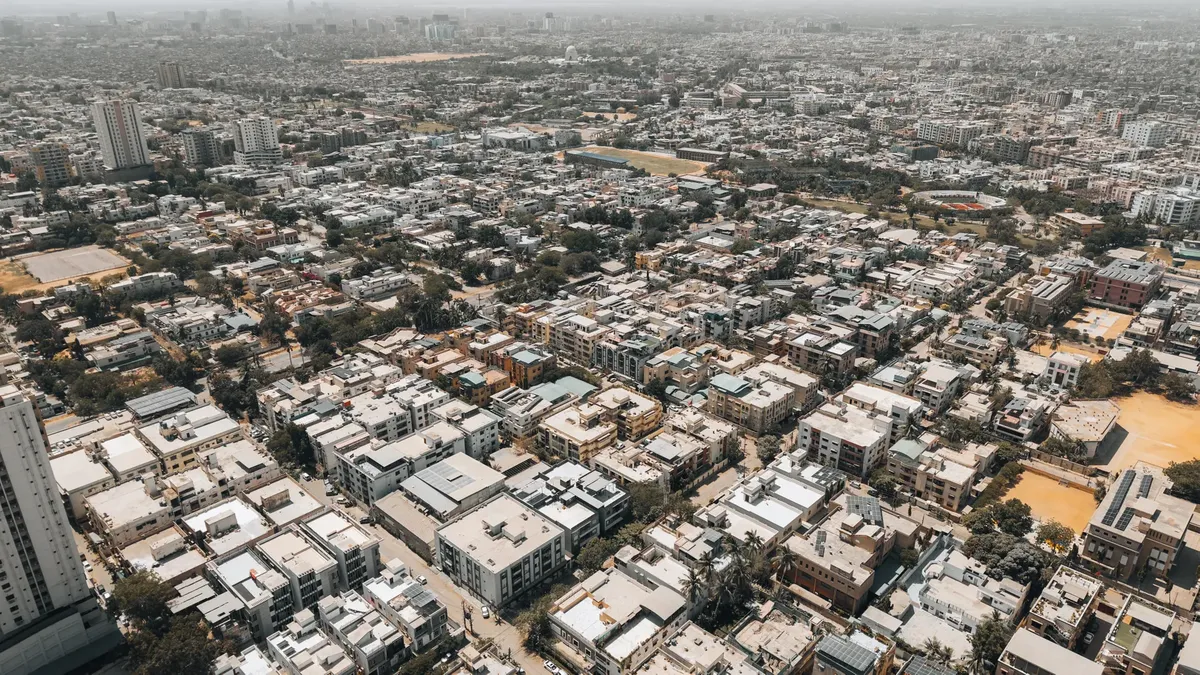
The total population recorded was 1,243,741 in 2025. When looking at the Mauritius vs Africa density, one must consider how this concentrated population lives within its specific island environment compared to larger continental landmasses.
The density is not just about people per square kilometer but about how the population is distributed across the available land. This relationship between people and space is fundamental to island demographics.
- What is the current Mauritius population density and scale?
- How has the Mauritius population trends shifted over time?
- What characterizes the Mauritius age structure analysis?
The same subject is also called Mauritius age distribution.
This part also covers Mauritius demographic statistics.
Related
- Mauritius future industries: Why digital growth needs energy
- 11.1% GDP: Mauritius's Vital Financial Sector Role
How does the demographic landscape reflect its future needs?
The current demographic landscape clearly signals a need for proactive planning regarding social services. The decreasing proportion of young people suggests that future dependency ratios will require adjustments to the current support structures.
This trend necessitates careful consideration of long-term resource allocation for the island nation.
This aging trend impacts more than just service provision; it affects the economic engine of the nation. The shift in the age structure means that the workforce composition is changing, which influences productivity and retirement planning across all sectors.
Furthermore, the small fraction of non-resident nationals contributes to the overall picture of the resident composition. This composition remains relatively stable, suggesting a continuity in the community structure despite the aging trend observed in the age distribution.





Comments 0