Mauritius investment Africa best: Why island serves as base
"The strategic positioning of an island nation can redefine the economic trajectory of an entire continent."
Mauritius serves as a vital gateway for investors seeking to tap into growing African markets through a stable regulatory environment. This article analyzes the island's role as a hub for international capital, specifically focusing on its tourism and economic indicators.
Key takeaways include the nation's steady GDP growth, its significant reliance on specific market segments for tourism, and the promotional efforts used to maintain its international standing.

This analysis is limited to the economic and tourism metrics provided by official records and does not address specific corporate tax loopholes or bilateral treaty details.
Why does Mauritius act as an investment base?
A trader watches the rising sun over the Indian Ocean, calculating the logistics of a new venture. Mauritius acts as an investment base by providing a stable platform for capital moving toward the African continent.
This position is bolstered by consistent economic performance, such as the 3.2% GDP growth recorded in 2025 according to World Bank data. This growth indicates a resilient environment for long-term fiscal planning.
The island's role as an African investment hub relies on its ability to facilitate movement between diverse markets. This movement is supported by a multifaceted promotional strategy.
The Mauritius Tourism Promotion Authority (MTPA) promotes Mauritius by conducting advertising campaigns, participating in tourism fairs and organizing, in collaboration with the local tourism industry, promotional campaign and activities in Mauritius and abroad.
These actions ensure the island remains visible to global stakeholders.
How does tourism drive the economy?
A cruise ship docks at a tropical port, releasing hundreds of travelers into the local economy. Tourism remains a cornerstone of the Mauritian financial landscape.
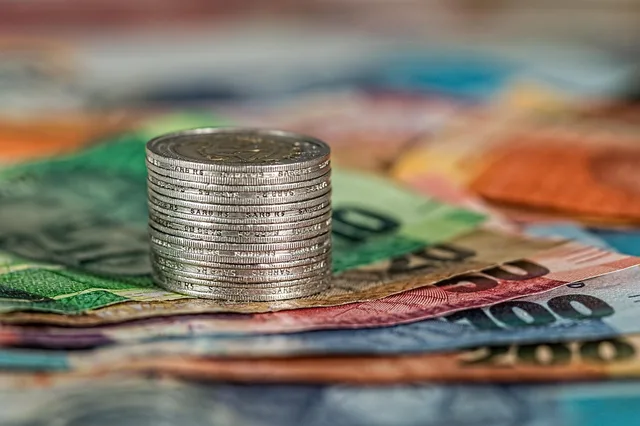
In 2018, the total number of tourist arrivals reached 1,399,408, representing a 4.3% increase compared to the 1,341,860 arrivals seen in 2017, according to data from Statsmauritius.govmu.org. This upward trend reflects a consistent demand for the island's services.
The distribution of these arrivals shows a reliance on specific transport methods and markets. For instance, arrivals by air increased by 3.6% from 1,312,295 in 2017 to 1,359,688 in 2018. Meanwhile, those arriving by sea saw a significant increase of 34.3%, rising from 29,565 to 39,720.
I have observed how these shifts in transport modes directly impact local hospitality infrastructure.
| Arrival Type | 2017 Figure | 2018 Figure |
|---|---|---|
| Air Arrivals | 1,312,295 | 1,359,688 |
| Sea Arrivals | 29,565 | 39,720 |
According to World Bank, the 2025 record includes 3.2%.
What defines the Mauritius investment Africa strategy?
An analyst reviews a spreadsheet of regional market trends, noting the concentration of travelers. The Mauritius investment Africa strategy is reflected in the way the nation manages its primary visitor segments.
In 2018, the performance of main markets was critical, as these segments accounted for 71% of total tourist arrivals. This concentration allows for targeted economic development.

The island's ability to attract diverse interest is a core component of its regional influence. This is evidenced by the wide range of visitor origins.
This demographic stability provides a predictable foundation for various sectors.
How do investors view India FDI Mauritius Africa connections?
A boardroom in Mumbai discusses the complexities of expanding into new territories. The India FDI Mauritius Africa connection is a significant factor in the region's financial dynamics. Investors often utilize the island's legal and fiscal framework to navigate the complexities of continental trade.
This reliance on the island's structure helps mitigate some of the risks associated with direct entry into emerging markets.
The island's popularity for such transactions is not without its fluctuations. For example, the tourism sector faced a notable downturn during the global health crisis of 2020.
Such volatility highlights the necessity of a diversified economic approach to maintain stability.
What are the steps to evaluate Mauritius tourism?
A researcher examines historical data to predict future trends. To evaluate the tourism sector of this island nation, one must look at several key metrics.
According to The Mauritius Tourism Promotion Authority, the organization promotes Mauritius by conducting advertising campaigns, participating in tourism fairs and organizing, in collaboration with the local tourism industry, promotional campaign and activities in Mauritius and abroad.

- Analyze the growth rate of total arrivals by comparing year-over-year data. 2. Examine the shift in transport methods, specifically air versus sea arrivals. 3. Identify the primary markets that contribute the largest share of revenue.
After completing these steps, a final check must be conducted to ensure the data aligns with recent GDP trends. This comprehensive view is essential for understanding the island's economic health.
- Why does Mauritius act as an investment base?
- How does tourism drive the economy?
- What defines the Mauritius investment Africa strategy?
Related
- What defines the Mauritius FDI relationship with India?
- Mauritius UNESCO World Heritage: How to guide island culture
What conditions affect the strategic positioning of the island?
- The stability of the regulatory environment is a key factor supporting the strategic positioning of the island. 2. The island's reliance on specific market segments for tourism introduces a condition of vulnerability. 3. The island's steady GDP growth provides a measure of economic resilience against external pressures.
The strategic positioning of the island nation requires careful monitoring of its economic indicators. A condition of high dependence on a few visitor origins means that shifts in those markets can significantly affect the national economy.
This dependency contrasts with the general stability suggested by the recorded GDP growth.
The island's ability to maintain its international standing is contingent upon the effectiveness of its promotional efforts. These efforts must constantly adapt to global travel patterns to ensure the strategic positioning remains favorable for international capital.
How does the island utilize its strategic positioning?
The island utilizes its strategic positioning by functioning as a vital gateway for investors. This gateway allows capital to access growing continental markets through the island's stable framework. The island's role as a hub for international capital is directly linked to this gateway function.
The multifaceted promotional strategy employed by the MTPA reinforces this strategic positioning. These activities ensure that the island remains visible to global stakeholders interested in the continent's growth. This visibility is crucial for sustaining the flow of international investment.
The island's legal and fiscal framework is leveraged by investors navigating continental trade complexities. This utilization of the island's structure mitigates risks associated with direct market entry, which is a benefit derived from its strategic positioning.
This framework supports the island's function as an investment base.







Comments 0